24 t operating weight · 1.2 m³ bucket · 172 kN maximum bucket digging force · 2,980 mm overall width
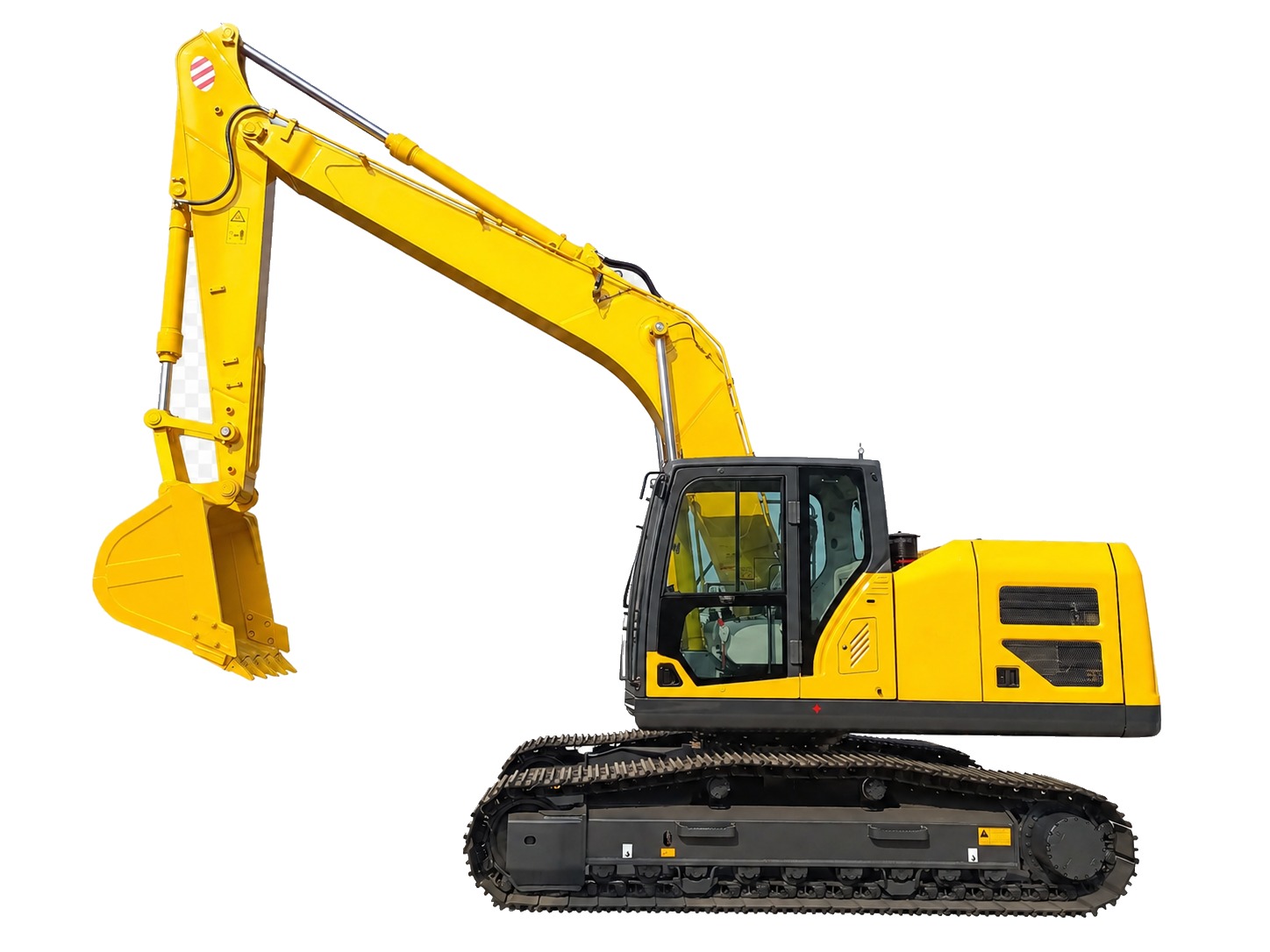
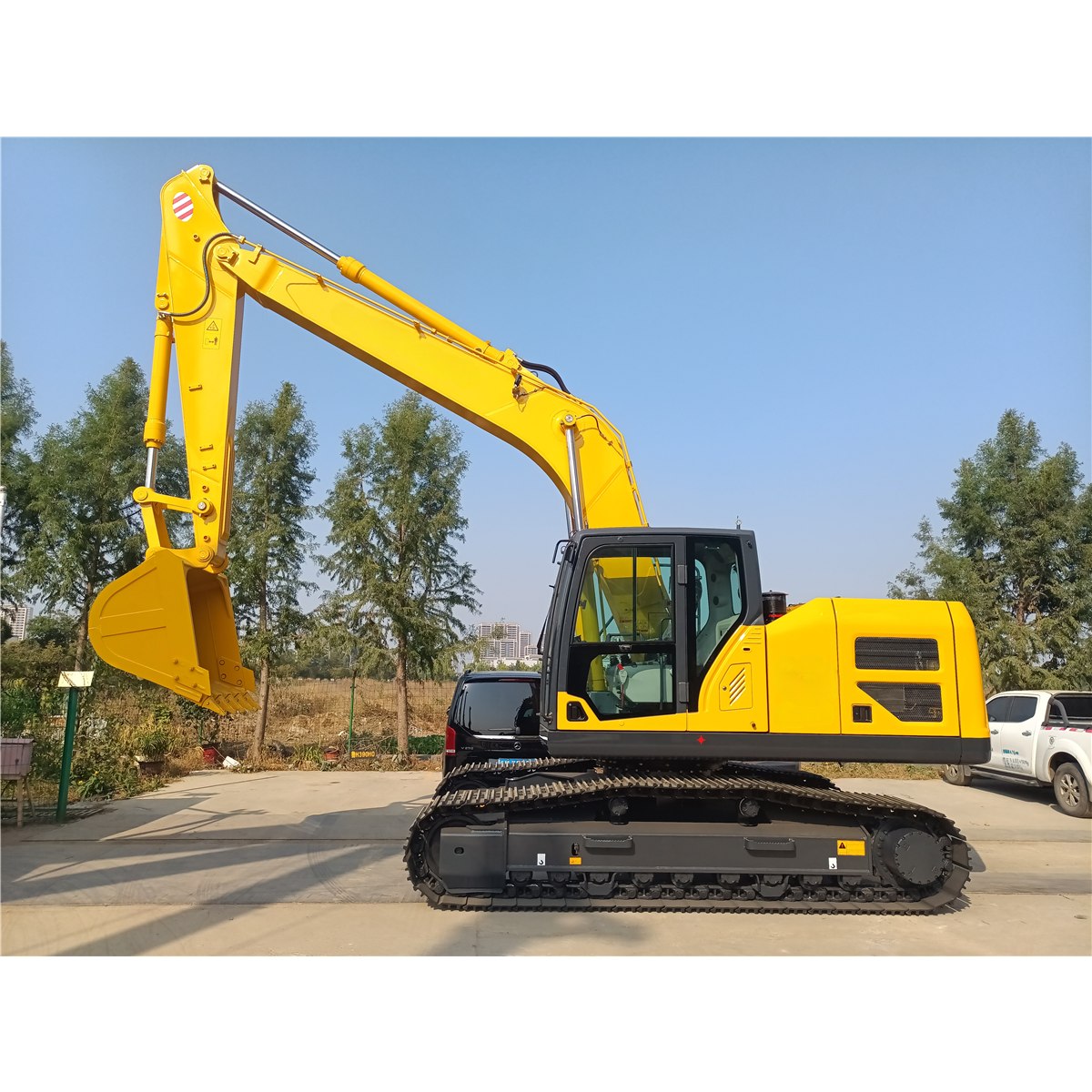
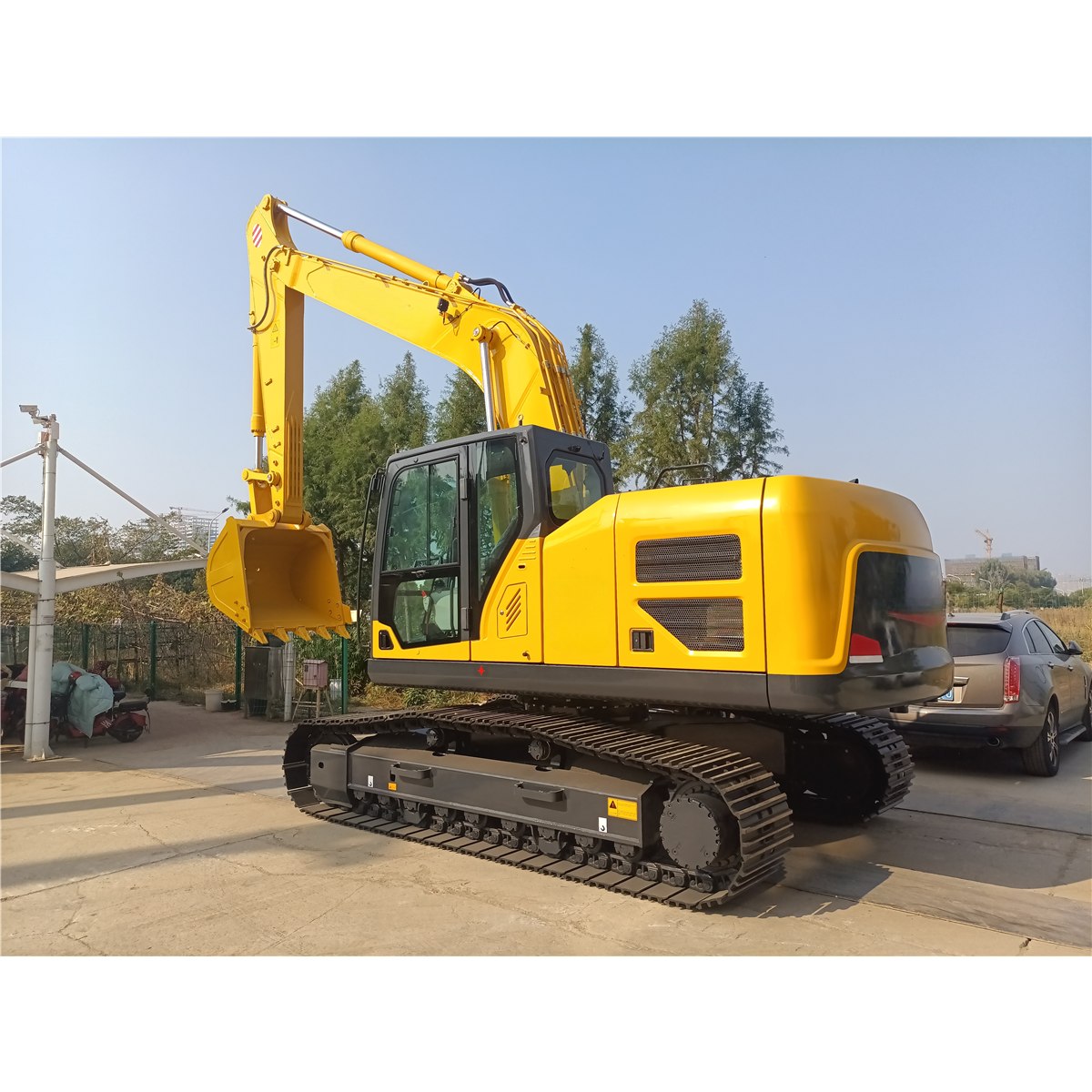
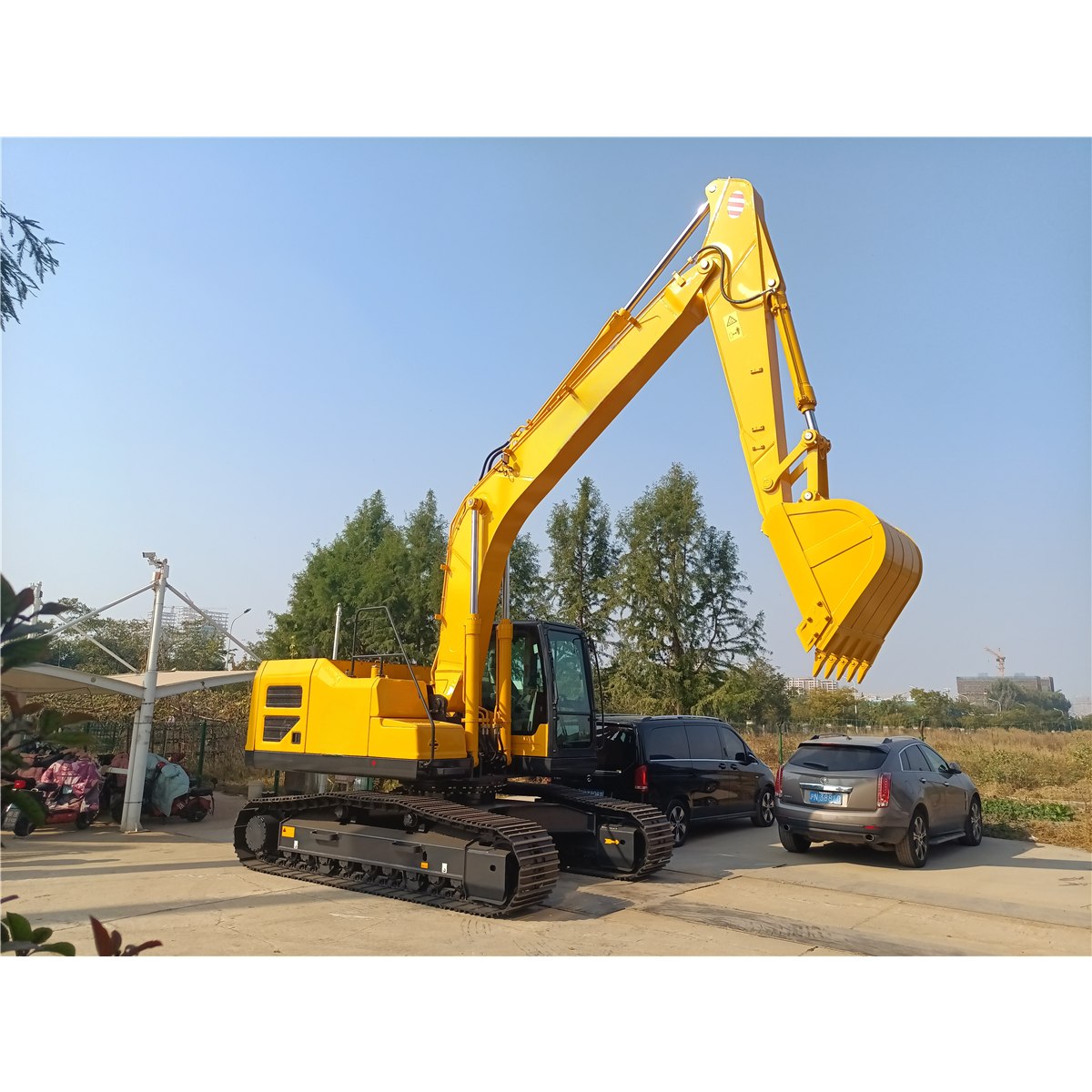
The Hongli HL260 is a medium tracked excavator from Tai’an Hongli Machinery Equipment Co., Ltd. Its catalog configuration has a 24-tonne operating weight, a 1.2 m³ bucket, a maximum digging depth of 6,875 mm and a maximum dumping height of 6,440 mm. The catalog lists ISUZU/CUMMINS engine choices; the exact engine and order configuration must be specified in the quotation.
Before choosing the HL260, send us your material, required excavation depth, truck loading arrangement, destination country and expected quantity. We can compare the catalog configuration with your task and identify which equipment details need confirmation. Request an HL260 configuration review.
The buying mistake: combining maximum figures into one working position
A specification sheet can show enough depth, reach and dumping height for your project while the machine still cannot perform the required movement from the position you planned.
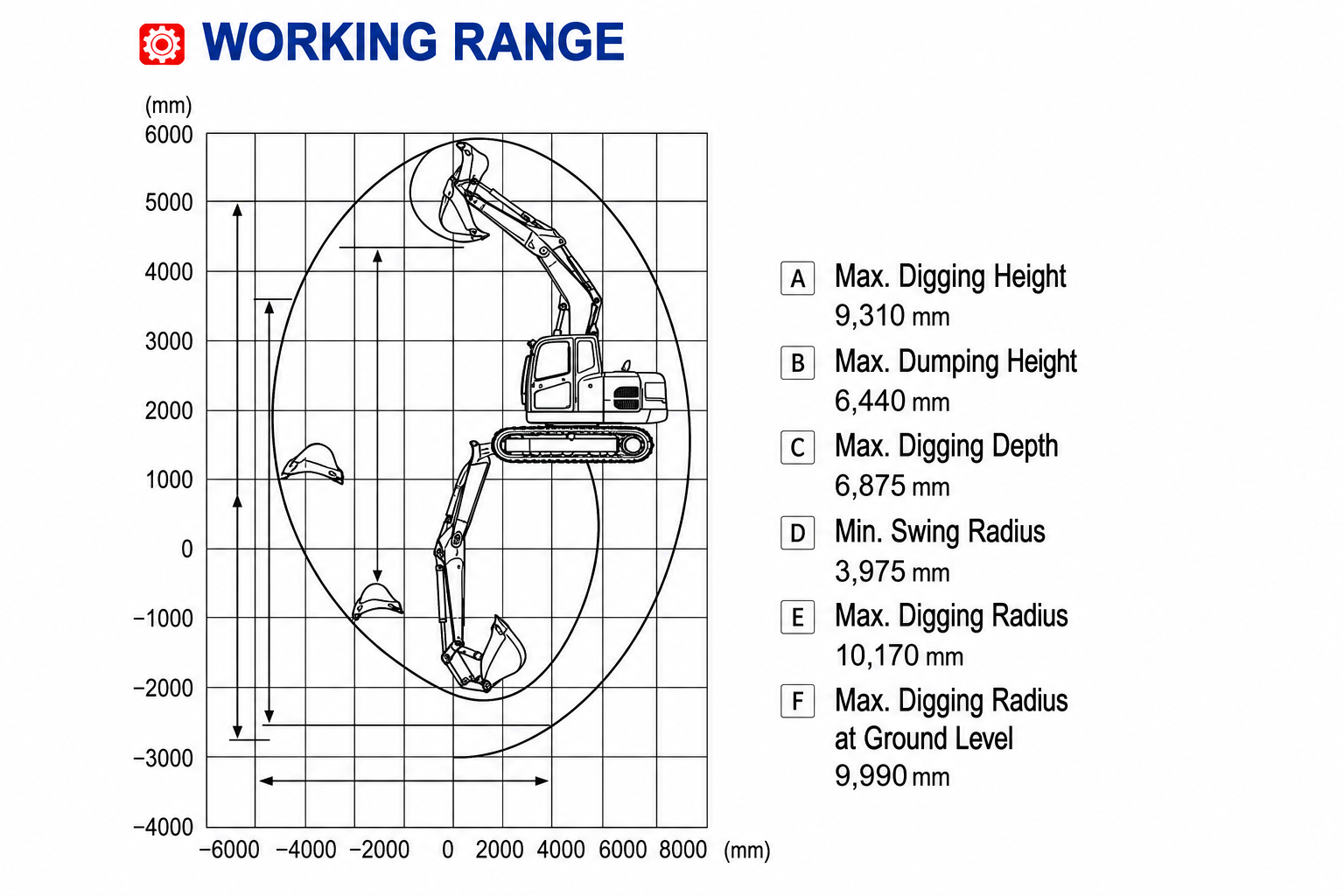
The HL260 catalog lists a 6,875 mm maximum digging depth, a 10,170 mm maximum digging radius and a 6,440 mm maximum dumping height. These are separate limits on a working envelope. They are not a promise that the bucket can reach all three limits at the same time.
For truck loading, the useful question is whether the bucket can clear the truck body at the horizontal distance between the excavator and the loading point. A maximum dumping-height figure alone does not answer that question. For trenching, check the depth at your actual digging radius, together with the space needed to reposition the machine. Maximum depth alone does not establish a usable vertical trench face.
The same distinction applies to the bucket. A 1.2 m³ capacity describes volume, not an approved payload for every material. Material density, actual fill, bucket weight and the selected machine configuration matter. A larger bucket is not automatically the better choice for a dense or difficult material. Caterpillar’s excavator bucket selection guide explains why material density belongs in that decision; its guidance does not certify any attachment for the HL260.
Finally, the listed 172 kN bucket digging force is not a lifting capacity. If your work includes placing pipes or handling suspended loads, request the applicable machine lift chart and lifting equipment details. Do not convert digging force into a permissible load. Lift capacity must be checked for the actual radius, height, direction and configuration, as explained in Caterpillar’s guide to reading excavator lift capacity.
Choose the machine around the movement your job requires, then choose the bucket and front attachment around the material. Starting with the biggest number on the specification sheet reverses that process.
When the HL260 belongs on your shortlist
Consider the HL260 for excavation and loading tasks where the catalog bucket capacity and working envelope match the job, and where the site can accommodate a 2,980 mm-wide tracked machine. Potential applications include earthmoving, trench excavation and material loading, subject to the material and selected equipment.
It also belongs in a comparison when you are evaluating the HL200 or HL225 and need to determine whether the HL260’s particular depth, reach or bucket configuration solves a real constraint. The decision should come from the task, rather than from the model number.
Do not choose it simply because it appears larger. If access, haulage or work volume favors a smaller machine, an HL260 may add transport and site constraints without solving your problem. If your decision depends on a certified lift capacity, a particular emissions approval or a demonstrated production rate, confirm those requirements before selecting a configuration. The general catalog does not establish them.
HL260 catalog specifications
These figures describe the published catalog configuration. Confirm the specification sheet for the machine and attachments included in your order, especially if choosing a different boom, arm or bucket.
| Parameter | Catalog specification |
|---|---|
| Model | HL260 |
| Operating weight | 24 t / 24,000 kg |
| Engine choices listed | ISUZU / CUMMINS; exact model to be specified |
| Bucket capacity | 1.2 m³ |
| Maximum bucket digging force | 172 kN |
| Boom length | 5,850 mm |
| Arm length | 3,050 mm |
| Maximum digging height | 9,310 mm |
| Maximum dumping height | 6,440 mm |
| Maximum digging depth | 6,875 mm |
| Maximum digging radius | 10,170 mm |
| Maximum digging radius at ground level | 9,990 mm |
| Minimum swing radius, catalog working-range label | 3,975 mm |
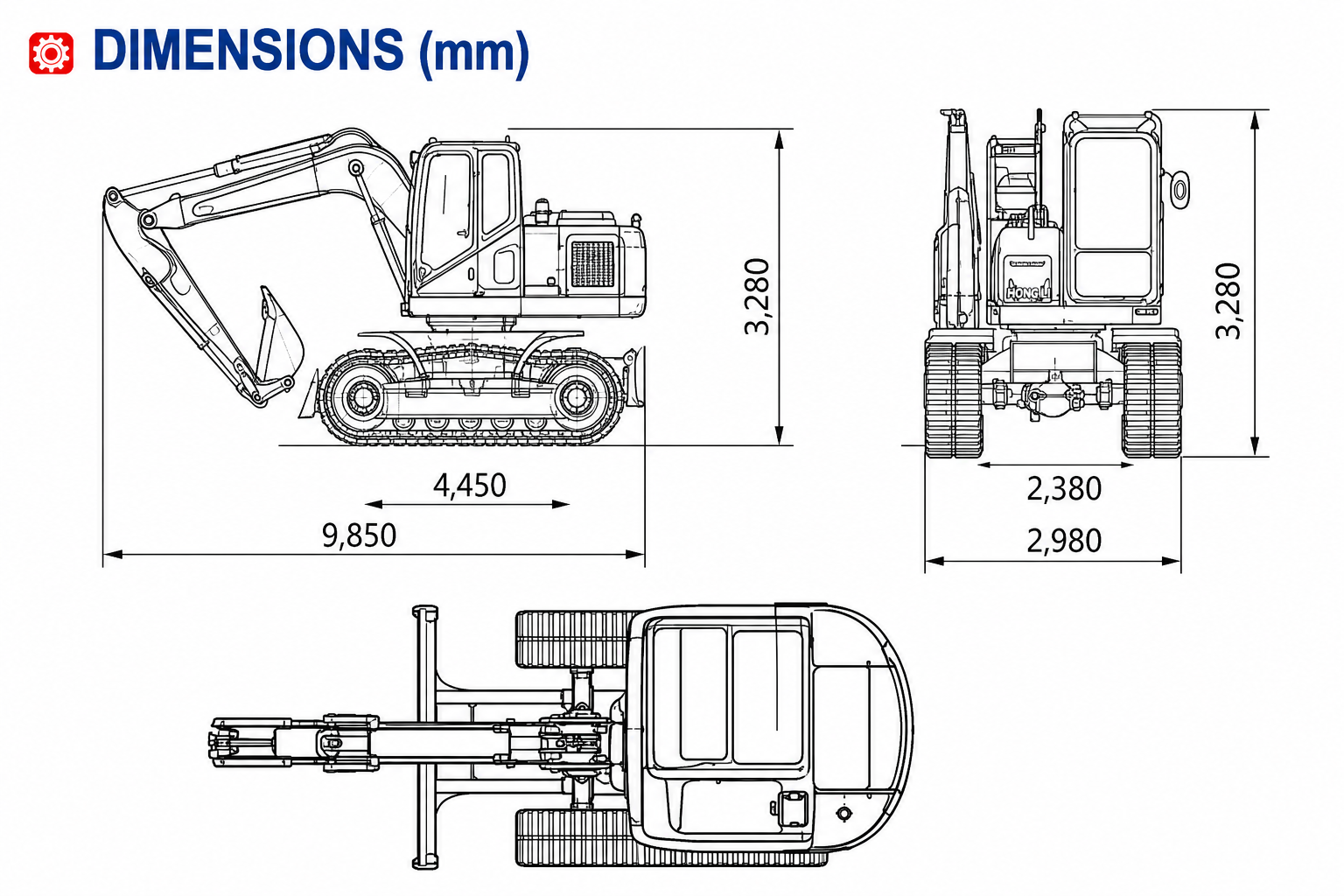
| Overall length | 9,850 mm |
| Overall width | 2,980 mm |
| Overall height to top of boom | 3,280 mm |
| Minimum ground clearance | 440 mm |
| Travel speeds | 5.2 / 3.5 km/h |
| Swing speed | 11 rpm |
| Ground pressure | 49.4 kPa |
| Fuel tank capacity | 420 L |
| Hydraulic oil tank capacity | 246 L |
The minimum swing-radius entry is the catalog’s working-range label. It should not be substituted for a verified rear tail-swing radius or used to plan clearance behind the counterweight.
What these figures mean for your site
Width, transport and machine position
The 2,980 mm overall width is a practical screening measurement for entrances, working areas and transport planning. It does not include every clearance needed during a full operating cycle. Allow for the actual front attachment, upper-body movement and the site’s restrictions.
Likewise, the 24-tonne operating weight is not a complete shipment declaration. Ask for the transport dimensions and shipping weight of the selected configuration, including how the bucket and any additional attachments will be packed. Establish the loading arrangement before booking transport.
Ground pressure is a configuration figure
The catalog ground-pressure value is 49.4 kPa. It is useful as a specification reference, but it does not establish that a site surface can support the machine. Track equipment, ground condition and the work being performed require their own assessment. Avoid choosing the HL260 for soft ground solely because a pressure figure looks acceptable.
Tank capacity does not establish operating cost
A 420 L fuel tank does not tell you the hourly fuel consumption or the hours between refueling on your job. Those require measurements tied to the engine configuration and duty cycle. Request comparable operating records if fuel cost is a deciding factor; a generic engine-brand claim is not a substitute.
Which options are worth discussing?
The catalog lists a hydraulic quick coupler, rubber track pads, hydraulic breaker piping, an auxiliary hydraulic circuit, an extended boom and/or arm, and buckets in various capacities. Treat these as configuration choices to confirm, rather than assuming they are included.
Quick coupler: Consider it when changing tools is a meaningful part of the working day. Confirm the coupler, attachment interface and approved locking arrangement. Include its mass and geometry in the equipment review; do not assume a coupler-equipped machine has identical working dimensions to the catalog’s base configuration.
Breaker piping and auxiliary circuit: Discuss these against the selected attachment’s requirements. Available flow, pressure, return arrangement and any required case drain must match the tool. The presence of pipes alone does not establish compatibility. Ask for the auxiliary-circuit specification for the quoted HL260, not an unrelated machine’s pump figure.
Rubber track pads: Discuss them if surface protection is important. Confirm the pad arrangement and intended surface conditions. They do not reduce the machine’s width or make ground bearing conditions irrelevant.
Extended boom or arm: Consider this only when the standard working envelope does not meet the task. Request configuration-specific dimensions, weight and lift information before ordering. The standard depth and force figures should not be copied across to an extended-front arrangement.
Alternative buckets: Match the capacity, construction and interface to the material and task. Choosing a bucket solely by volume can leave the machine carrying unnecessary attachment weight or working with an unsuitable cutting arrangement.
Comparing the HL260 with the HL200 and HL225
The HL200 catalog lists 21.8 t operating weight, a 1.0 m³ bucket and 2,780 mm overall width. The HL260 lists 24 t, 1.2 m³ and 2,980 mm. If your task does not require the HL260 configuration, the HL200 deserves consideration where width or transport is a constraint. These figures alone do not establish relative production or operating cost.
The HL225 catalog lists a 1.1 m³ bucket and 2,980 mm overall width. Its listed maximum dumping height is 6,730 mm, compared with 6,440 mm for the HL260. The HL260’s listed maximum digging depth is greater: 6,875 mm versus 6,480 mm. This is a useful reminder that a model with a larger bucket does not necessarily have the greater value for every working dimension.
Compare the complete working envelopes at the positions your job requires. Confirm the HL225 operating weight separately, and obtain matching engine and attachment details before making a final comparison. You can also review the current Hongli excavator range if a smaller machine better fits the site.
HL260 buying questions
Is the HL260 a 26-ton excavator?
The supplied catalog lists 24 t operating weight. HL260 is the model designation, not a verified 26-tonne weight. The weight of a particular order should be confirmed with its equipment and configuration.
Can it dig 6.875 m deep and load a truck 6.44 m high from the same position?
Those figures are separate maximum dimensions. Check the working envelope against the actual digging and loading positions. Neither maximum establishes the other capability at the same horizontal radius.
Does the 172 kN digging-force figure tell me how much it can lift?
No. Bucket digging force and permissible lifting load answer different questions. Request the configuration-specific lift chart and verify the required lifting arrangement rather than estimating a load from the force figure.
Which ISUZU or CUMMINS engine will I receive?
The engine brand listing does not specify the final engine. Ask for the exact model, rated power and speed, and the applicable emissions documentation in the quotation. Check the quoted version against your destination requirements before ordering.
Why might the HL225 suit my truck-loading job better?
Its catalog maximum dumping height is greater, while the HL260 has greater listed maximum digging depth. Whether that difference matters depends on the truck, loading distance and complete working envelope. A model number alone cannot settle the choice.
Is the 1.2 m³ bucket the right option for every material?
No. Capacity is only one selection input. Supply the material type, density where known, working conditions and required task so the bucket and machine configuration can be reviewed together.
Send the job details before requesting a price
Tai’an Hongli Machinery Equipment Co., Ltd. can review your requirements against the HL260 and neighboring models. Send:
- Destination country and destination port, if known.
- Main application, material and required excavation depth.
- Truck dimensions and loading position, where relevant.
- Site access and transport constraints.
- Required engine version, attachments and options.
- Expected quantity and intended delivery timing.
Request the HL260 configuration and quotation, email hongli@hongli-mach.com, or contact WhatsApp +86 131 0548 1184. If the task favors another model, the comparison should make that clear before you commit to the order.
About the author
Avicii Meng — Head of Technical Engineering | Hongli Machinery
Avicii Meng is a company partner at Tai’an Hongli Machinery Equipment Co., Ltd. This page uses the supplied HL260 catalog specifications to explain the configuration questions buyers should resolve before ordering.
HL260 working range and dimensions