A 3-ton electric forklift is a starting capacity class, not a complete machine specification. The truck that arrives must match the loads, lift height, aisle, floor, shift pattern and electrical supply you described. Before paying a deposit, put those requirements and the proposed configuration on one agreed document. Before shipment, check photographs and records from the actual unit against it.
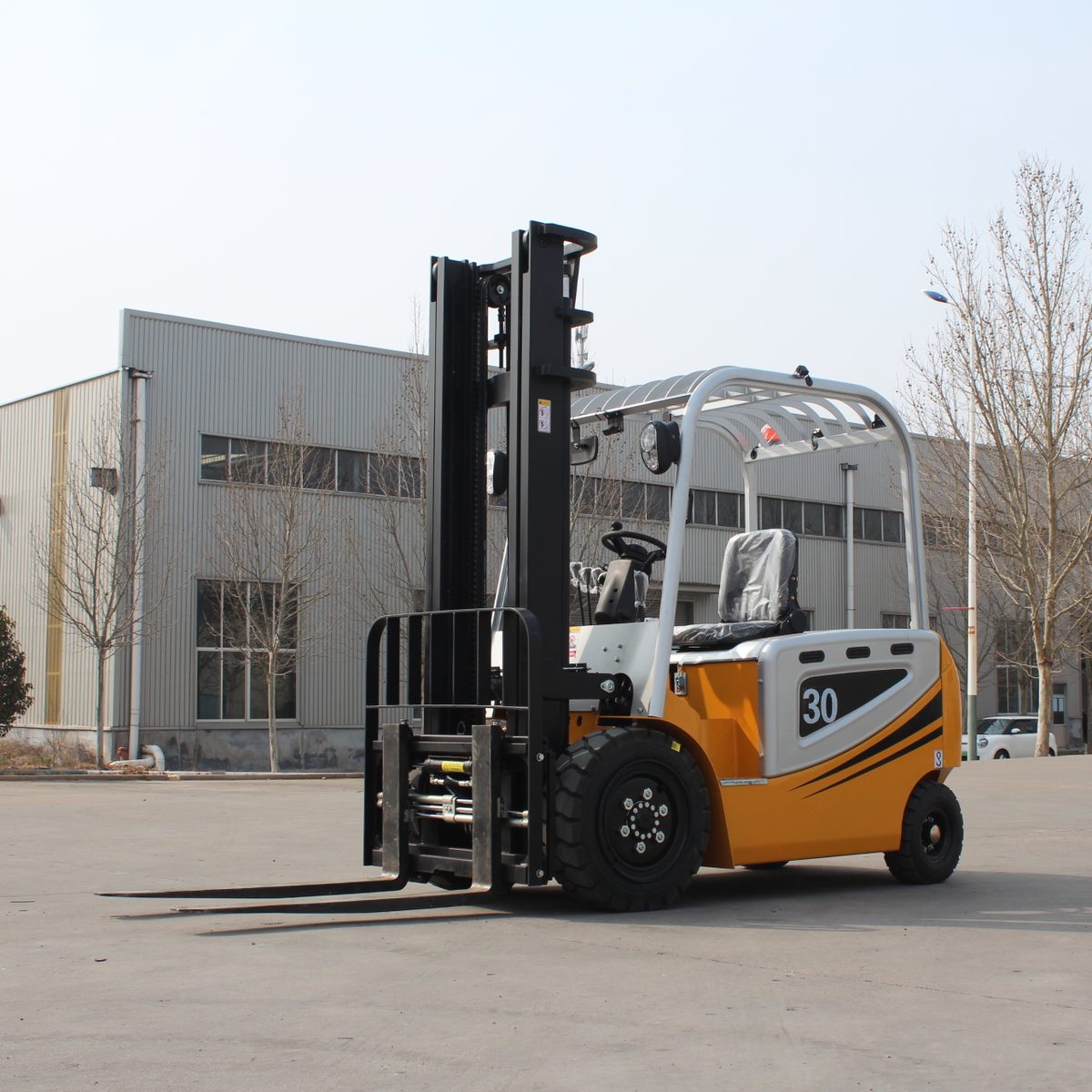
A buyer can compare two quotations that both say “3-ton electric forklift” and still be comparing different machines. One may include a taller mast, a side shifter or a different battery and charger. Price alone does not tell you which truck will do the work.
This guide focuses on a specific procurement problem: how to make the quoted truck, the production order and the machine shipped to you describe the same configuration. For a model reference, see the Hongli HLC30 electric forklift. Its catalogue specifications are a starting point; the final order and the machine shipped still need configuration-specific checks.
If you want Hongli to check a configuration, send us the heaviest load and its dimensions, maximum lift height, narrowest working aisle, floor conditions, hours per shift, charging window, destination country and expected quantity. We can then discuss the machine that fits the job, including when a 3-ton electric truck is the wrong choice. Request a configuration-based quotation.
The Check Most Buyers Miss: One Specification, Two Verification Gates
There are two different moments at which you can verify an order. Mixing them up creates a gap through which substitutions and misunderstandings can pass.
Gate 1 is before the deposit. The individual truck may not yet exist, so asking for its serial number or a photograph of its final capacity plate can be premature. What you can insist on is a written configuration: model designation, rated capacity and load centre, mast and lift height, battery and charger, tyres, forks, attachments, destination requirements and the documents to be supplied. The quotation and order confirmation should identify the same options. If an item is “to be confirmed,” name who will confirm it and when.
Gate 2 is before dispatch. The truck has now been built. Ask for evidence from the actual unit: its model and serial identification, capacity plate, fitted mast and attachment, battery and charger labels, and inspection and packing records. Compare these to the agreed configuration. A photograph of a showroom truck proves only that a similar truck exists; it does not prove what was fitted to yours.
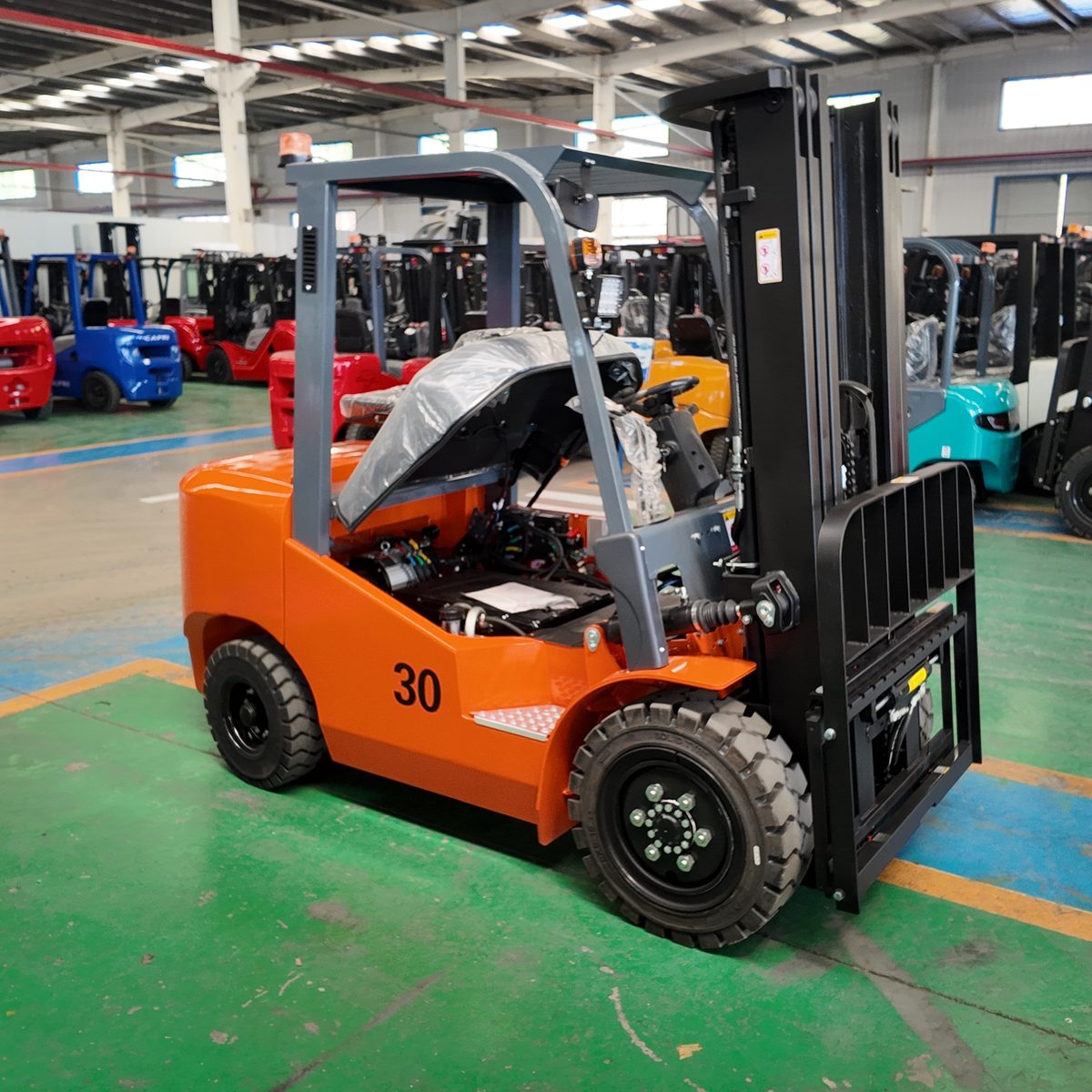
This is the useful chain to keep in one folder:
Your operating requirements → signed configuration → production order → actual unit identification and labels → pre-shipment inspection → packing and shipping records.
Every change should be visible along that chain. Replacing an attachment can alter working capacity; substituting a charger can leave a machine unusable at the buyer’s site. A catalogue page showing the original option proves neither was fitted.
Do not treat this as a request for an impressive pile of certificates. The question is simpler: can each important statement on the quotation be tied to the truck that is about to ship?
Start with the Load, Then Test the 3-Ton Assumption
Record the heaviest item, including its packaging or pallet, its dimensions and fork-entry side. A long crate picked up from its short side can place its centre of gravity further from the fork face than an ordinary pallet. An attachment changes the combination again.
Ask the supplier for the capacity information that applies at your load centre, required height and fitted attachment. Do not take the headline 3,000 kg figure as an answer to a different configuration. The data plate is the reference for the delivered truck; if you need a nonstandard configuration, obtain written capacity information for that combination before ordering and check the delivered plate against it. The US Occupational Safety and Health Administration’s explanation of forklift nameplates shows why load centre, mast and capacity belong together. Its attachment guidance explains why fitted attachments must be reflected in the truck’s stated capacity. Follow the requirements that apply in your destination and workplace as well.
If your load sits close to the truck’s confirmed limit, investigate the next capacity class or another fork-entry direction before selecting a model.
Specify the Job in the Order a Factory Can Use
Lift height comes next. State the highest point at which the forks must place a load, not simply the ceiling height. Provide the doorway or container-opening height that the lowered mast must pass through. If you need free lift, say so. A taller mast chosen only from a catalogue can fail at the doorway; a short mast chosen for clearance can fail at the upper rack. Ask for both the maximum fork height and the lowered mast height of the proposed configuration. The mast also belongs in the capacity check at your working height.
Then measure the route. Give the narrowest aisle, turning space, door widths and ramps. Truck width alone does not establish that it can turn with the actual load and enter the rack. A different truck class may serve narrow racking better. Send a measured plan when possible. A measured route plan is more useful than a truck-width figure on its own.
Describe the ground. Clean, level indoor concrete is a different job from damaged floors, wet loading bays or an outdoor gravel yard. Ask which tyres are included and whether the quoted configuration is suitable for each surface the truck will cross. Electric drive does not make a truck automatically suitable for every outdoor condition. If the work is mainly on rough ground or there is no practical charging provision, ask for a comparison with a different truck rather than stretching an indoor specification to fit.
Finally, give the operating schedule. Record hours and shifts, travel versus lifting, approximate lift frequency and charging breaks. Voltage or amp-hours alone cannot prove run time in your duty. Ask for the battery type and rating, charging arrangement and assumptions behind any run-time estimate. Those duty details are needed before any run-time estimate can be assessed.
The One-Page Configuration Record
The following is the one table we would put beside competing quotations. Complete the “agreed value” column before the deposit, then check the final unit against it before shipment.
| Item to agree | What the document should identify | Evidence from the built unit |
|---|---|---|
| Truck | Exact model, rated capacity and stated load centre | Model and serial identification; capacity plate |
| Load and mast | Required load dimensions, working height, mast type, maximum fork height and lowered height | Fitted mast and capacity information for the combination |
| Handling equipment | Fork length, side shifter, clamp or other attachment, including any revised capacity | Photographs of fitted equipment and matching capacity information |
| Site fit | Tyres, dimensions, aisle and doorway constraints | Fitted tyres and configuration inspection |
| Battery | Chemistry, voltage, rated capacity and approved pack specification | Battery label and installed pack record |
| Charger | Compatible charger model, electrical input and supplied connectors | Charger label and photograph of supplied unit |
| Support | Manual, parts identification, warranty terms and agreed spare parts | Document list and packing list |
| Export | Destination, shipping terms, packing method and documents required for that market | Packing evidence and final shipping documents |
This is a comparison tool, not a claim that every market has the same paperwork. Your destination’s import, electrical and workplace requirements may add items. Confirm those locally before ordering. If the supplier cannot establish a required document for your market, the right response is to resolve that before the machine is produced.
Battery and Charger: Treat Them as a Matched Set
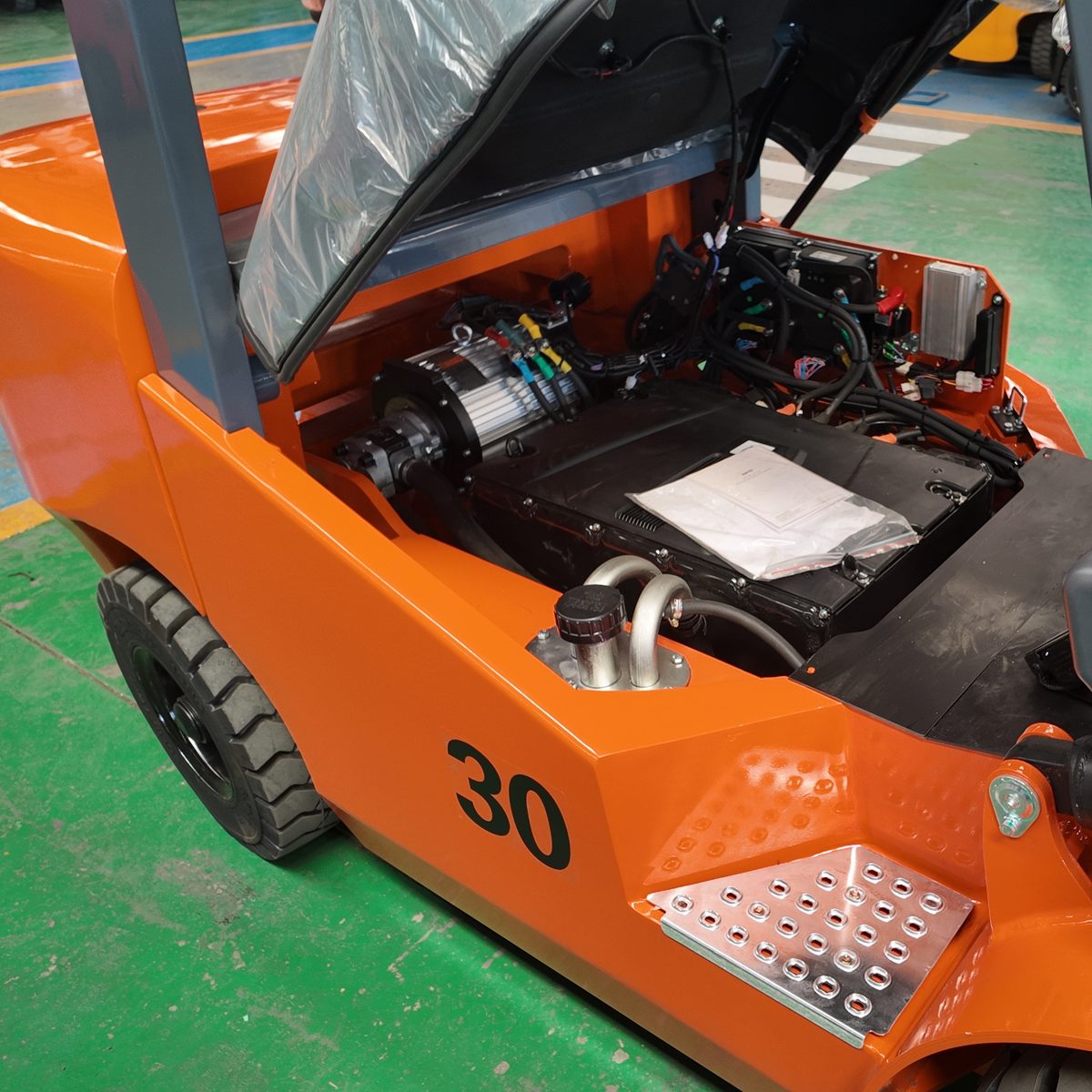
“Lithium upgrade” is not a full battery specification, and “charger included” is not a full charging plan. The purchase record should identify the battery chemistry, voltage and rated capacity, the charger model and its required electrical input, plus the connectors delivered with the truck. Ask who is responsible for confirming compatibility with the power available at your site. If the building’s electrical service needs work, include that in your purchasing decision and timeline.
For one shift with overnight charging, a lower-cost configuration may be preferable. For multiple shifts, charging time and charging points become central. If a quote claims a run time, ask what load, lift frequency, temperature and charging schedule it assumes.
Battery weight also belongs in the configuration record. On many electric counterbalance trucks, the battery contributes to the specified counterweight system; Toyota notes that minimum battery weight matters to safe operation. Do not assume that swapping one battery chemistry for a lighter pack leaves the truck’s rated capacity unchanged. Ask the manufacturer to confirm the approved combination and its capacity plate. Establish the duty cycle before choosing the battery system.
What to Check Before the Truck Is Packed
Request a set of unit-specific photographs or a live inspection before dispatch. Start with an unobstructed view of the entire truck and its model and serial identification. Then check the capacity plate, mast, forks and attachments, tyre type, installed battery label and charger label. The serial reference should connect those images to the inspection record and packing list. If a dealer has ordered several trucks, make the record unit by unit; a single set of photographs cannot verify every machine in a container.
Ask for the inspection results relevant to the order: travel, steering, braking, lift, lower and tilt functions; visible leaks or damage; charging operation; and operation of specified attachments. The acceptance criteria should be agreed before the test, especially for any nonstandard option. A video can help a remote buyer see the functions, but it should show the identification of the unit being tested. A demonstration on a different truck does not close the evidence chain.
For a higher-value order or a new supplier, consider an independent inspection that compares the actual machine with the agreed configuration. Record discrepancies and recheck corrections before packing.
Shipping papers have a different role. The invoice and packing list tell customs and the buyer what is being shipped; they cannot replace a capacity plate or a working test. Ask the supplier when unit-specific inspection, packing and shipping records will be available. Confirm current import classifications and duties with a broker for the destination.
When a 3-Ton Electric Forklift Is the Wrong Order
Do not choose it because “3 ton” matches the weight on the carton. A long load, high rack or fitted attachment can change the allowable capacity of the proposed truck. Obtain the capacity information for the actual job. If it does not cover the job, select a suitable higher-capacity or different type of truck.
Do not choose it to avoid dealing with a charging constraint. If there is no practical electrical supply, no charging time and no plan to add either, the truck may spend its working hours parked. A diesel or LPG truck may be a better operational fit where its use is permitted and appropriate. Compare the operating fit and lifecycle costs of each power type before committing.
Do not choose a conventional counterbalance truck for an aisle it cannot use. Check the proposed truck and load against the real layout. A narrower class or a changed storage layout may solve the problem; forcing the wrong truck into the aisle will not.
Do not order from a quote that leaves critical options unnamed. “Standard battery,” “high mast” and “export documents included” are not enough when those items decide whether the machine can work or be imported. Specify the option or ask for a revised quote. We sell electric trucks, but if the confirmed duty points to another power type or capacity class, that is the recommendation a buyer should receive.
Frequently Asked Questions
Can every 3-ton electric forklift lift 3,000 kg to the top of its mast?
No universal answer follows from the headline rating. Capacity depends on the stated load centre, mast and attachment configuration. Ask for the capacity information for the proposed truck at your maximum working height and load centre, then check the delivered truck’s plate.
What information should I send to get a comparable 3-ton forklift quote?
Give the heaviest load and its dimensions, fork-entry direction, maximum placement height, lowest doorway, narrowest aisle, floor and outdoor conditions, hours and shifts, charging window, destination, required attachments and expected quantity. Ask each supplier to quote against the same list.
Should I request the serial number before paying a deposit?
Not necessarily. A build-to-order truck may not have an assigned serial number yet. Before a deposit, agree the configuration and the evidence that will be provided. Once the unit is built, use its serial identification to connect the plate, inspection and packing records to that truck.
Is a lithium battery always the better choice for an electric forklift?
No. Compare the operating schedule, available charging time, site electrical supply, battery and charger cost, and the approved truck configuration. A single-shift operation with overnight charging can lead to a different decision from a multi-shift site. Ask the manufacturer to confirm the capacity rating of the chosen battery configuration.
Does adding a side shifter or clamp change what the truck can lift?
It can. An attachment has weight and may move the load farther from the truck. Request the rated capacity for the truck with the specified attachment and check that the delivered plate or approved capacity information reflects the combination. Ask for capacity information for the fitted combination, rather than using the base truck rating.
Are photos enough to approve an overseas forklift shipment?
Photos are useful when they show the actual unit’s identification and fitted components. Pair them with the agreed configuration and relevant inspection record. For an unfamiliar supplier or complex order, a live or independent inspection can test functions and resolve discrepancies before packing.
Send the Job, Not Just the Model Name
To get a quotation that can be checked at delivery, send:
Destination country and port:
Heaviest load, dimensions and fork-entry direction:
Highest placement point and lowest doorway:
Narrowest working aisle and floor conditions:
Hours per shift, shifts per day and charging window:
Required forks, mast and attachments:
Expected quantity and delivery timetable:
We can return a proposed configuration and identify the fields that still need confirmation. If a 3-ton electric truck is not a sound match, we should establish that before a deposit, not after a container arrives. Send the requirements for a quote or contact hongli@hongli-mach.com · WhatsApp +86 131 0548 1184.
About the Author
Avicii Meng is Head of Technical Engineering at Tai’an Hongli Machinery Equipment Co., Ltd. He works on export-oriented equipment configurations, technical purchasing requirements and OEM projects for international buyers. Hongli Machinery supplies forklifts, skid steer loaders and construction equipment for export. Contact: hongli@hongli-mach.com | hongli-mach.com