The excavator starts. The boom moves. The paint looks clean. But one question is still unanswered: does this machine match the order you approved?
Before shipment, connect four things: what you ordered, which machine you are receiving, what was checked and what is being packed. A useful inspection record lets you follow that same machine through every step.
A mini excavator pre-delivery inspection checks the actual machine against the agreed order and inspection plan. For an overseas buyer, the useful result is a record you can review: machine identification, fitted equipment, inspection results, any corrections and the shipment inventory.
Agree the checks before the machine is ready to leave. At Tai’an Hongli Machinery Equipment Co., Ltd., buyers can use this checklist to discuss the records needed for their order and any tests that require separate arrangements.
Preparing an order for inspection? Send the model, destination country, expected quantity, agreed engine and attachments, intended work and required checks. Ask Hongli Machinery to confirm the inspection plan alongside the configuration and shipping arrangements.
First, Make Sure the Records Follow Your Machine
An engine photo, a working video and a packing list may each look convincing. The first check is whether they describe the same machine.
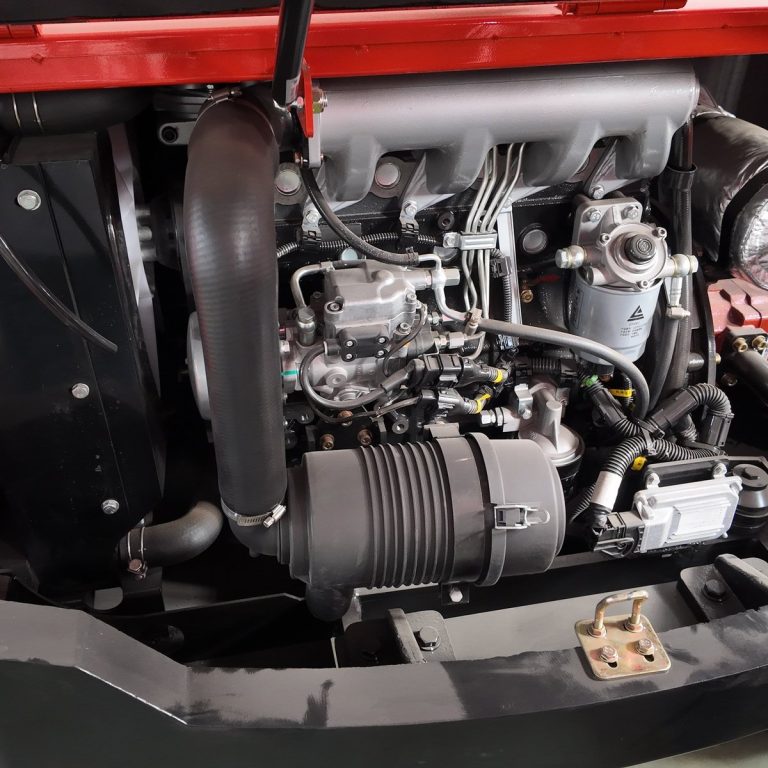
Start a record with the machine identification, order reference, inspection date and hour-meter reading. Ask for a readable identification photo and a wider view showing where that identification belongs on the machine. Use the same unit reference on the engine photos, inspection report, correction log and packing list.
For a multi-machine order, identify every unit and state which checks were carried out on each. If certain checks are sampled, record that arrangement rather than implying every machine received every test.
Two Buckets in the Photo. One Still Doesn’t Fit.
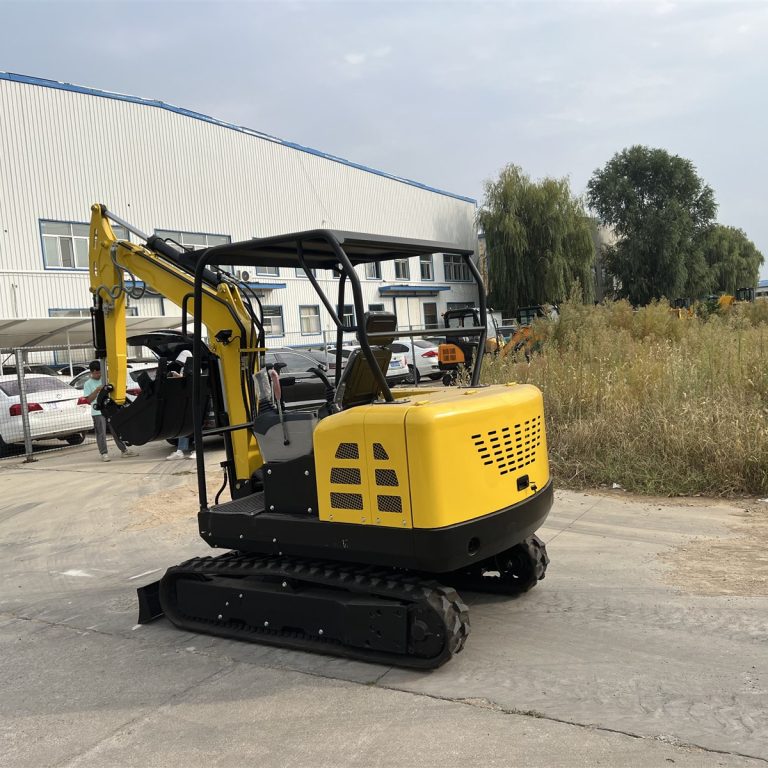
Consider a hypothetical order for a canopy mini excavator with an agreed engine model, quick coupler and two buckets. This is an example of how to organize the records, not a report of a completed Hongli inspection.
The supplier identifies the allocated machine as Unit A. Its record shows the machine identification, installed engine identification and the attachments to be supplied. The inspection photos and functional-check report use that same Unit A reference.
During the review, one bucket will not fit the agreed coupler because its mounting-pin dimensions differ from the specification. Both buckets appeared in the photos, but the order is still incomplete in a practical sense. Record the mismatch as an open item, identify the correction and ask for the relevant fit check to be repeated on Unit A. Mark the item closed only when the agreed correction has been verified and recorded.
The packing list should then connect Unit A with the final coupler, both buckets and their loose parts. If a bucket is packed separately, give that package an identifier. The receiving team can now check the delivery against the inspected order instead of guessing which loose items belong together.
Use the Final Order Specification
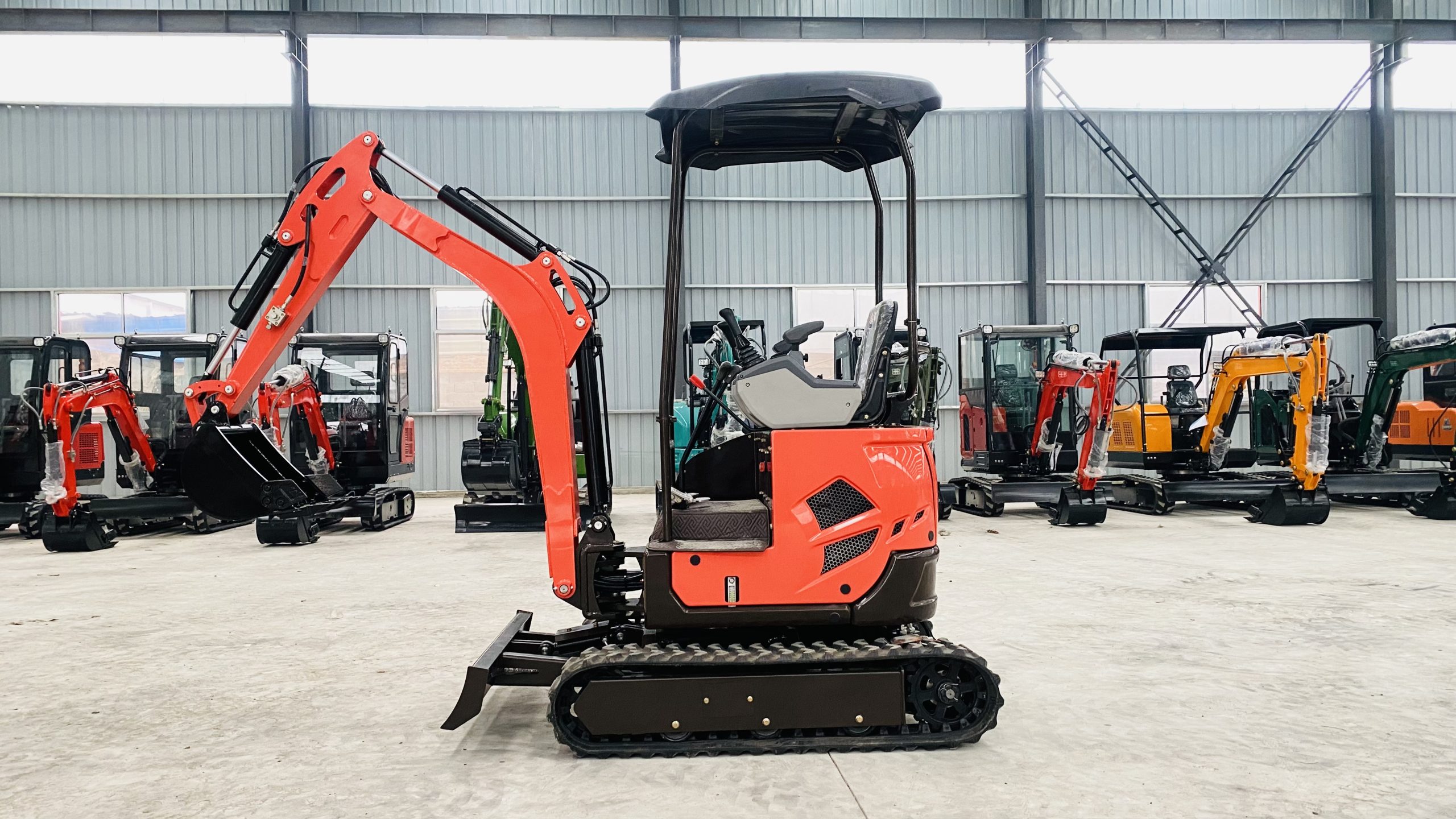
Check against the final agreed specification, not a general catalog covering several options. Identify the engine, canopy or cab, undercarriage, boom and arm, bucket, coupler and powered attachments. State which options are included and resolve any remaining choices before treating the machine as ready for inspection.
An engine brand alone does not identify the exact engine. Bucket capacity does not define the mounting dimensions. “Auxiliary hydraulics included” does not describe the complete circuit needed by a powered tool.
Use the mini excavator engine buying checklist and bucket fitment checklist to settle those buying-stage details. The pre-delivery check then answers a different question: does the machine being shipped match that agreement?
Mini Excavator Pre-Delivery Inspection Checklist
Use this table to agree what records to request. Mark each item as verified, open or not applicable, with a file reference and a responsible person. Technical checks should follow the applicable manufacturer procedure and the agreed inspector’s plan.
| Check | Record to request | Question to settle |
|---|---|---|
| Machine identity | Identification photo, wider view, date and hour-meter reading | Is this the allocated unit? |
| Engine | Identification and installed-engine photos linked to the unit | Does the exact engine match the order? |
| Operator station | Canopy or cab, controls, labels and fitted equipment | Are the ordered equipment and applicable documents included? |
| Undercarriage | Track type, condition and configuration details | Have the relevant checks followed the machine’s procedure? |
| Work equipment | Boom, arm, bucket, pins and coupler identification | Does the fitted combination match the specification? |
| Visible condition | Findings for damage, leaks and missing or loose components | Which findings need correction or further inspection? |
| Functional checks | Unit, attachment, conditions and recorded results | What was observed, and what was actually measured? |
| Auxiliary hydraulics | Circuit specification, connections and tool requirements | Is the actual machine-and-tool package matched? |
| Critical dimensions | Measurement method, machine position and attachment | Does the configured machine meet the agreed requirement? |
| Documents | Applicable manuals, service information and agreed documentation | Do the documents identify the supplied configuration? |
| Corrections | Finding, action and reinspection result | Has each outstanding item been resolved? |
| Shipment inventory | Unit reference, attachment list and package identifiers | Can the receiving team reconcile the delivery? |
Separate Visible Condition, Movement and Measured Performance
These three checks answer different questions. A visual inspection records visible condition. A functional check records what the machine did under stated conditions. A measured test records a result obtained using an agreed method.
For visible condition, organize the review by area so individual findings are not lost in a general “passed” statement. Caterpillar’s hydraulic excavator walk-around checklist, for example, separates work equipment, the undercarriage, cooling components and the overall machine. Use it as an illustration of inspection organization, not as a Hongli model’s maintenance specification.
For functional checks, record the unit, attachment, relevant meter readings, conditions and result. Describe a starting video accurately: if the prior machine condition was not recorded, do not label it a verified cold-start test.
A Working Video Is Not a Complete Inspection.
A video can document travel, slewing or work-equipment movement during the recorded demonstration. It does not, by itself, verify rated digging force, sustained attachment duty, lifting capacity, machine mass or full-shift fuel consumption.
Lifting an empty bucket, for example, does not verify a suspended-load claim. Lifting capacity depends on the configuration and lifting position and requires the appropriate manufacturer information. Bobcat’s explanation of configuration-specific lift charts explains that distinction. Do not replace the required documentation with an improvised overload demonstration.
If a measured result matters to the purchase, agree the method, instruments, conditions and pass criteria beforehand. You do not need to request laboratory testing for every item; you do need to know what each result establishes.
Inspection and testing should be performed by appropriately qualified personnel using the applicable procedures. A buyer’s checklist is not an instruction to approach moving machinery, open pressurized systems or conduct a load test.
Check Attachments on the Agreed Machine
Return to the Unit A example: a photo of two buckets beside the excavator would confirm their presence in the frame, but it would not close the mounting-dimension finding. The record needs the relevant fit check for the corrected bucket and coupler combination.
Identify the mounting arrangement, supplied pins, hoses, couplings and other loose parts. For a quick coupler, confirm the exact attachment combination, locking arrangement and applicable instructions.
For a powered attachment, compare its documented requirements with the actual machine circuit. Separate mechanical-fit checks from hydraulic checks. If the tool will be purchased after delivery, establish the interface and circuit requirements before ordering it.
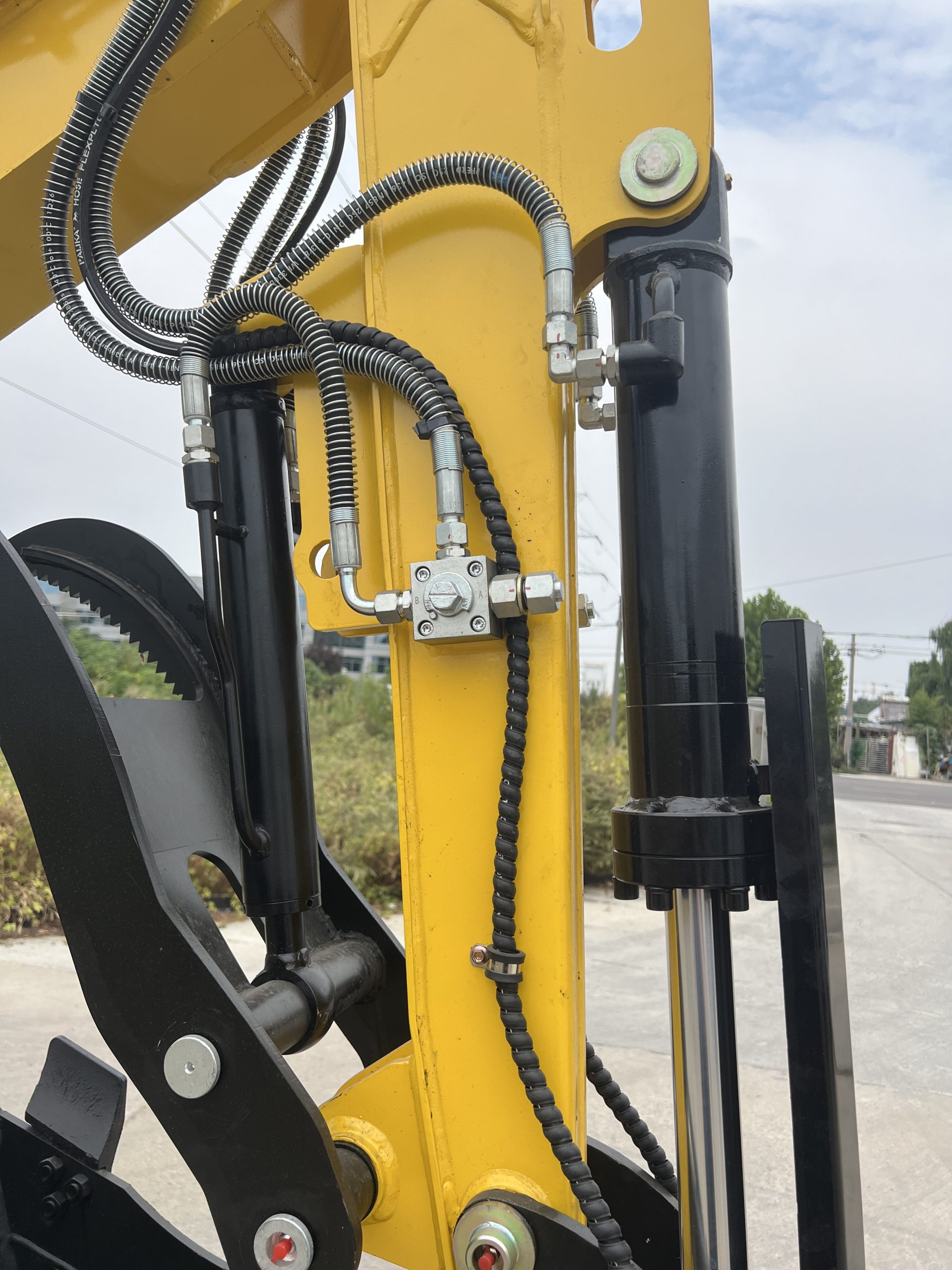
Measure What Could Stop the Machine Doing Your Job
Focus on the dimensions that matter to the order. If the excavator must pass through an opening, record the full configured envelope and the attachment or transport position being assessed.
For an HL18 mini excavator, identify the actual canopy or cab configuration before reviewing the delivery records. For an HL26U excavator, request the measurements and drawings relevant to the job rather than treating the model suffix as a dimensional guarantee.
For transport planning, distinguish a measured or documented machine mass from an estimate. Obtain the shipment details accounting for the actual configuration, attachments and packing; a brochure operating-weight entry is not shipment gross weight.
Keep One List of Outstanding Items
Use a correction log with a finding number, description, responsible person, agreed action and reinspection result. That is easier to review than searching through separate messages for promises and replacement photos.
In the Unit A example, the bucket issue stays open until the agreed correction and relevant fit check are recorded. If the supplier instead changes the coupler, update the equipment list and review which checks must be repeated. Earlier results should not silently follow a different configuration.
Record unresolved points and agreed exceptions clearly. Decide how findings affect acceptance under the purchase arrangements; the inspection record supports those agreed terms rather than introducing new payment or contract conditions.
When Remote Records Are Not Enough
Consider a qualified independent inspection when a critical measurement or performance requirement cannot be verified remotely, findings remain unresolved, or the order warrants additional assurance. Define what the inspector will examine and report.
Do not treat the review as complete while the machine identity is uncertain, an unapproved substitution remains or a critical requirement is unverified. A low price does not resolve those gaps. Apply the same standard to Hongli Machinery that you would apply to another supplier.
Connect the Inspection Record to the Shipment
Record what is packed with each unit: attachments, coupler parts, tools, manuals, keys and agreed spares. For Unit A, the packing identifiers should lead back to the final equipment list, including the corrected bucket.
Keep packing and loading records as a separate stage. They document the visible condition and contents at that time; the responsible logistics parties still need the actual shipment and transport information.
On arrival, reconcile the machine identification and inventory and record visible condition before putting the machine into service. Follow the applicable commissioning and operating instructions, even when the pre-shipment records are complete.
Frequently Asked Questions
Is a pre-delivery inspection the same as a daily inspection?
No. Daily inspection supports operation. A buyer’s pre-delivery review also checks the ordered configuration, machine identity, recorded results and shipment inventory.
Does a working video prove the excavator meets its specifications?
It documents the actions and conditions shown or measured. Rated performance claims need appropriate supporting information or agreed tests.
Should every unit in a multi-machine order have a record?
Yes. Identify each supplied unit and the checks applied to it. If certain checks use sampling, document that arrangement.
Can I accept an equivalent engine substitution?
Review the proposed engine against the agreed requirements, service needs and applicable documents. Record any accepted change and repeat the checks it affects.
What if a critical measurement is missing?
Request it for the actual configuration using an agreed method. A similar model or catalog image should not fill the gap.
Do I need an independent inspector?
That depends on the order and unresolved questions. Independent inspection can help with checks that cannot be verified remotely, provided its scope is clearly agreed.
Ask for an Inspection Plan You Can Review
Send the model, expected quantity, destination, final configuration, attachments, critical dimensions and required checks. Include the documents and packing information your receiving team needs.
Contact Hongli Machinery about configuration and pre-shipment records. Ask what will be recorded for the actual unit, which tests need separate agreement and how corrections and equipment changes will be tracked. A clear plan is more useful than a general promise that the machine will be “fully checked.”
About the Author
Avicii Meng, Head of Technical Engineering | Hongli Machinery. Avicii works with export buyers to assess machinery configuration, attachment compatibility and the information needed before ordering and shipment.