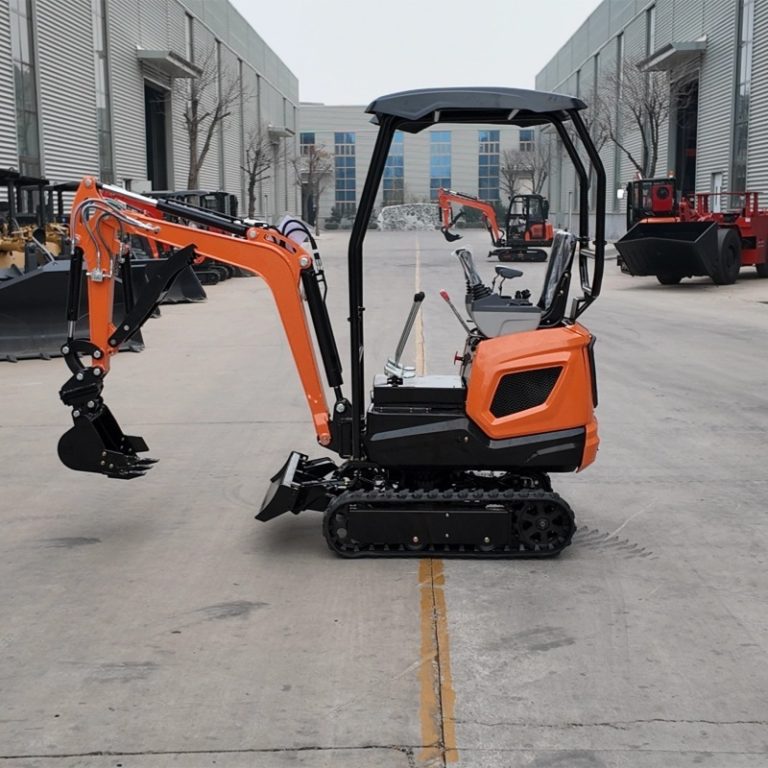
The best mini excavator for a small farm is the one that fits your access routes and handles the jobs you repeat most often. A compact machine may be convenient around sheds and narrow paths, but that convenience matters less if your regular work needs more reach, lifting capacity or digging performance.
This shortlist compares four established-brand models with the Hongli HL26U, covering compact access machines and a wider 2.5-ton option. Hongli publishes this guide and supplies the HL26U. Recommendations are based on published specifications and intended tasks, not comparative field tests; numbering is for navigation, not an overall performance ranking.
The first four models prioritize compact access in the roughly 1.7–2-ton class. The HL26U adds a 2.5-ton alternative for wider entrances. This is a shortlist for different farm constraints, so compare task suitability before comparing price or assuming that additional weight means additional value.
Quick Comparison: Where to Start Your Shortlist
| Model | Reason to investigate | Check before ordering |
|---|---|---|
| Kubota U17-5 | Zero-tail-swing design for work with limited clearance | Access dimensions, canopy clearance and the operating configuration |
| Bobcat E20 | Zero tail swing and a retractable undercarriage on the current US model | Exact model generation and compatibility of each attachment |
| Cat 301.7 CR | Retractable undercarriage and optional Stick Steer travel controls | Quoted equipment, transport weight and local support arrangements |
| Takeuchi TB216 | Retractable undercarriage for restricted access | Retracted width, working width and the actual gate opening |
| Hongli HL26U | 2.5-ton option for properties with wider access; listed maximum digging depth of 2,745 mm | 1,500 mm overall width, transport capacity and the quoted configuration |
Application suggestions are editorial judgments. None of these machines is automatically suitable for every farm, soil condition or attachment.
1. Kubota U17-5: Consider It for Work Near Buildings
Kubota identifies the U17-5 as a zero-tail-swing compact excavator. That makes it worth comparing when your work takes you close to sheds, fences and other obstacles. The manufacturer also describes applications including light construction, landscaping and utilities.
For a farm buyer, the practical question is how much room the complete machine needs. Check the boom, bucket, canopy and operator area as well as the rear of the machine. A compact rear profile does not make the entire working area obstruction-free.
Before you shortlist it: measure your narrowest route and ask for the dimensions of the supplied configuration. If you plan to work under a low entrance, check height separately from width.
Farm fit: light trenching and landscaping near buildings where rear clearance matters. Trade-off: compact dimensions do not establish lifting capacity; check the load chart for any planned material handling.
Source: Kubota USA, U17-5 launch information and product brochure.
2. Bobcat E20: Zero Tail Swing with Retractable Access
The current North American Bobcat E20 combines zero tail swing with a retractable undercarriage. That combination makes it worth considering for farms with restricted routes between buildings and work that also requires room to rotate. Confirm the travel configuration and expanded working width for the supplied generation.
Build the quotation around your intended tasks. A trenching bucket, grading bucket and powered attachment represent different requirements. Ask the supplier to confirm mounting dimensions, hydraulic requirements and controls for the exact combination you want.
Before you shortlist it: establish which E20 generation is being offered. Bobcat has both current and non-current E20 information, so do not combine a used machine’s listing with specifications from a newer version.
Farm fit: a purchase planned around several compatible tools. Trade-off: the availability of an attachment range does not mean every tool is included or compatible with every E20 configuration.
Source: Bobcat Company, current E20 product information and non-current E20 model listing.
3. Cat 301.7 CR: Compare Its Optional Stick Steer Controls
The Cat 301.7 CR combines a compact-radius layout and retractable undercarriage. Caterpillar also offers Stick Steer, allowing travel control through a joystick. For repeated repositioning along short drainage runs, ask for a demonstration of that option and compare the controls with the other machines. Confirm whether it is included in the quotation.
Request a written quotation showing the bucket, coupler, auxiliary equipment and delivery arrangements. Then compare access to routine service items and the support available where you operate. A brand name alone does not tell you the local parts lead time or repair cost.
Before you shortlist it: confirm the machine’s transport configuration. The weight used to plan transport must account for the equipment you actually carry, not just a headline machine figure.
Farm fit: recurring maintenance where a locally available machine-and-service package is important. Trade-off: assess that package using local quotes; this guide does not establish a price or support advantage over the other models.
Source: Caterpillar, 301.7 CR official product specifications.
4. Takeuchi TB216: Check the Access Advantage Against Your Gate
Takeuchi lists a retractable undercarriage for the TB216 and specifies a retracted width of 38.6 inches on its US product page. That is a concrete measurement to compare with your farm entrance, rather than relying on the description “compact.”
A nominal 36-inch opening would be too narrow for that published width. Measure the actual clear opening between posts, hinges and other obstructions, and allow suitable clearance. Also check the space available for operating in the configuration required by the machine’s instructions.
Before you shortlist it: distinguish travel access from working space. Reaching a location and having adequate room to work there are separate questions.
Farm fit: access routes that can accommodate its published retracted width. Trade-off: retractability still will not solve access through a clear 36-inch opening.
Source: Takeuchi US, TB216 official product page.
5. Hongli HL26U: A 2.5-Ton Option for Wider-Access Properties
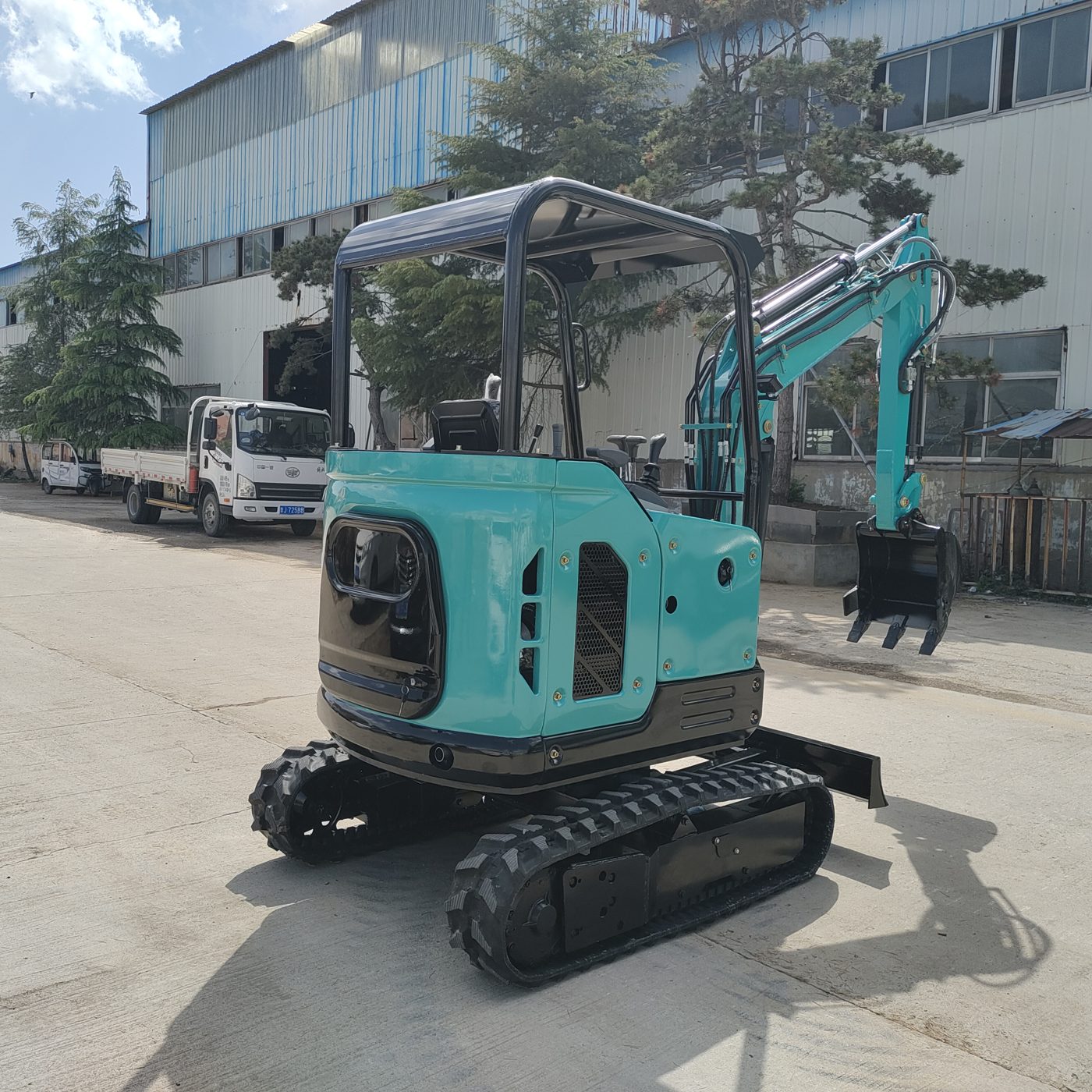
The Hongli HL26U has a listed operating weight of 2,500 kg, overall width of 1,500 mm and maximum digging depth of 2,745 mm. Its listed bucket capacity is 0.075 m³. These figures make it a different proposition from choosing mainly for narrow passageways.
Farm fit: properties with vehicle-width access where the required excavation dimensions fit its working envelope. It is worth quoting for drainage and landscaping tasks when access is less restrictive.
Trade-off: its 1,500 mm width rules out narrower entrances, and transport must accommodate the actual loaded package. Maximum digging depth is a geometric limit, not a guarantee of productive trenching at that depth in every ground condition.
Before you shortlist it: confirm the engine, canopy or cab, attachments and shipping weight in the quotation. Do not infer lifting capacity from operating weight.
Source: Hongli Machinery, HL26U official product specifications.
How to Choose Between These Five
For constrained access: start with the entrance dimensions, then compare the Kubota, Bobcat, Cat and Takeuchi configurations available locally. Remove any machine that cannot pass safely before comparing price.
For wider-access farm work: include the HL26U quotation and check its working dimensions against your repeated jobs. Extra machine weight alone is not proof of better performance.
For attachment-led work: compare the complete tool package across all five suppliers. A clear compatibility confirmation matters more than the number of attachments shown in a brochure.
Which Size Makes Sense for Your Farm?
Start with the work, not the acreage. Two properties of the same size can need very different machines: one may need occasional shallow trenching, while the other needs frequent excavation in difficult ground.
The compact models above are a starting shortlist for lighter work and restricted access. If your recurring tasks involve heavy lifting, substantial excavation or demanding ground conditions, widen the comparison to larger machines and specialist contractors. Do not assume a small excavator can handle a task simply because it can reach the site.
Write down your three most frequent jobs, the dimensions involved and the ground conditions. Include the narrowest access point and any transport constraints. This is more useful to a supplier than asking for the best machine for a particular number of acres.
Compare Costs on the Same Basis
A bare-machine price and a delivered package price are not directly comparable. Request separate confirmation of the machine configuration, attachments, freight, applicable charges and delivery arrangements.
For a used machine, include inspection findings and likely repair work in the decision. For a new machine, confirm written warranty terms and how parts requests are handled. Avoid assigning an assumed resale value or service cost without evidence relevant to your location.
Our China mini excavator price guide provides another starting point for budget planning. The current written quotation for your configuration remains the basis for an order.
Questions to Ask Before Choosing
Is a mini excavator better than a tractor for a small farm?
They serve different tasks. Compare the excavator against the digging work you need, and assess mowing, towing and material handling separately. Buying one machine does not automatically replace the other.
Should I buy or rent?
Compare the actual booking calendar, repeated delivery charges and ownership expenses. Gaps between farm projects can change the calculation. Our rent-or-buy guide provides a worked example.
Can I choose by engine horsepower?
Horsepower alone does not establish digging performance or lifting suitability. Review the complete specification and the manufacturer’s limits for the actual configuration and job.
What should I send with a quotation request?
Send your destination country, main tasks, access dimensions, required digging depth and preferred attachments. Include photos of restricted areas if available. This helps the supplier identify what still needs to be checked before recommending a configuration. Include expected quantity and your intended transport arrangement.
Compare a Hongli Configuration for Your Farm
If you are considering a Hongli mini excavator alongside these options, send us the same job requirements. We can discuss an available configuration and provide quotation details for comparison. Confirm specifications, attachment compatibility, delivery arrangements and applicable written terms before ordering.
Discuss Your Farm Equipment Requirements →
Manufacturer product information reviewed November 9, 2026. Comparison uses North American manufacturer information for the four established-brand models and Hongli catalog specifications for the HL26U. Confirm local availability and the exact quoted build.
By Avicii Meng, Head of Technical Engineering | Hongli Machinery.