Mini excavators span operating weights from under 1 ton to around 8 tons, and the size class you choose determines dig depth, transport requirements, ground pressure, and which jobs the machine can actually complete. This guide lays out the full size chart, explains what each specification means in practice, and shows how to match machine size to your work.
The single most common sizing mistake we see is buyers choosing by price or by habit rather than by the two numbers that matter most: required dig depth and transport capacity. Both are covered below.
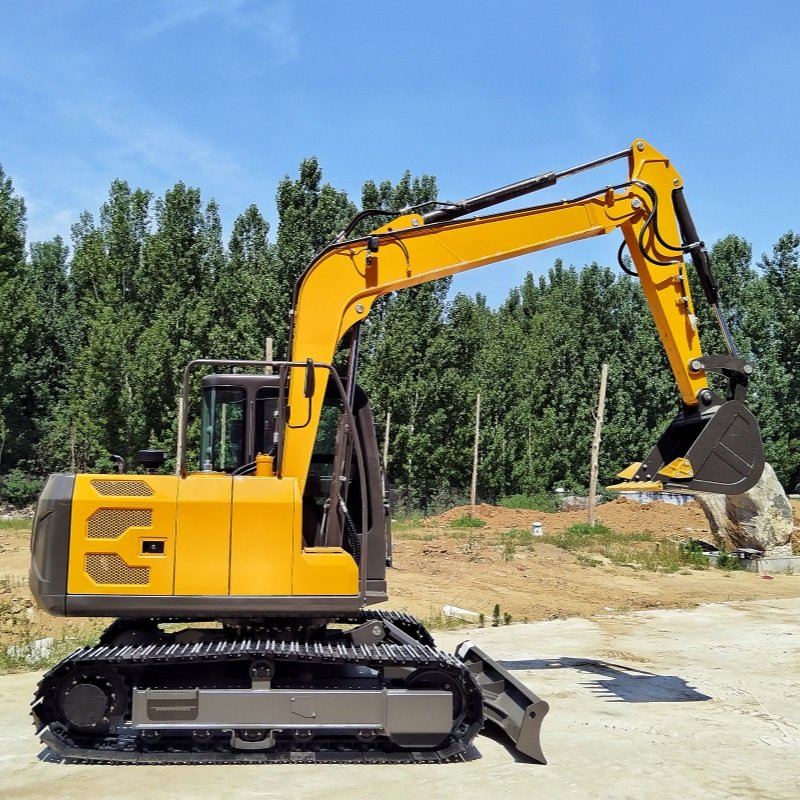
Mini Excavator Size Chart (2026)
| Size Class | Operating Weight | Typical Dig Depth | Typical Width | Transport | Typical Applications |
|---|---|---|---|---|---|
| Micro | Under 1 ton | 1.2 – 1.7 m | 0.7 – 1.0 m | Pickup + light trailer | Gardens, indoor demolition, confined access |
| Mini | 1 – 2 ton | 1.7 – 2.4 m | 0.9 – 1.4 m | Light trailer, 3.5T tow | Landscaping, residential utilities, rental |
| Compact | 2 – 3.5 ton | 2.4 – 3.1 m | 1.4 – 1.7 m | Heavy trailer / small truck | Trenching, foundations, general construction |
| Mid-size | 3.5 – 5 ton | 3.1 – 3.6 m | 1.7 – 2.0 m | Truck / equipment trailer | Roadwork, deeper utilities, light demolition |
| Large mini | 5 – 8 ton | 3.6 – 4.3 m | 2.0 – 2.3 m | Truck transport | Commercial construction, infrastructure |
Figures are indicative ranges for the class, compiled from typical published specifications across manufacturers. Individual models vary — always confirm the exact specification sheet for the machine and configuration you are quoting.
The chart gives you the frame. The sections below explain what each column actually means for your purchase decision — because two machines with the same operating weight can behave very differently on a job site.
Operating Weight: What the Number Includes (and What It Doesn’t)
Operating weight is the machine with standard tracks, a standard bucket, full fluids, and — depending on the manufacturer’s convention — sometimes an operator allowance. It is the number size classes are built around, but it hides real variation:
Cab versus canopy changes the number. An enclosed cab typically adds meaningful weight over an open canopy on the same chassis. A “1.8-ton” machine quoted with a canopy may cross 2 tons with a cab and air conditioning — which can matter for trailer capacity and licensing thresholds in some markets.
Attachments are usually excluded. Augers, hydraulic thumbs, breakers, and extra buckets travel with the machine but are rarely in the quoted operating weight. For transport planning, weigh the real load, not the brochure line.
Model numbers do not always equal weight. Across the industry — Chinese and Japanese manufacturers alike — a model number that suggests a weight class is a naming convention, not a specification. Machines marketed in the “1-ton class” can have actual operating weights anywhere from roughly 0.8 to 1.2 tons depending on configuration. Always confirm the actual operating weight of the exact configuration quoted.
Dig Depth: The Specification That Should Drive Your Choice
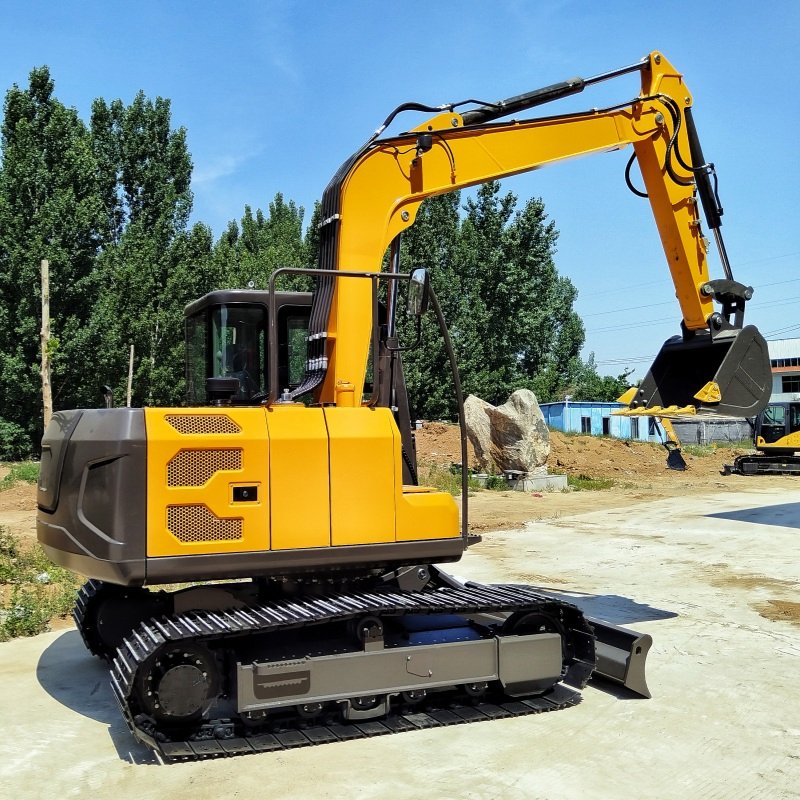
Maximum dig depth is the deepest point the bucket teeth can reach below grade. It is the specification most directly tied to whether the machine can do your work.
Practical guidance by task:
- Garden and irrigation lines: 0.5 – 1.0 m required — micro class handles this
- Residential water, power, and drainage: 1.0 – 1.8 m — mini class (1–2T) covers most of it
- Sewer laterals and frost-depth utilities: 1.8 – 2.7 m — compact class (2–3.5T) territory
- Foundations, footings, deeper mains: 2.7 – 3.6 m — mid-size class
- Basements and commercial utility depth: 3.6 m+ — large mini or step up to full-size
A margin matters. A machine whose maximum dig depth exactly equals your required trench depth will dig that trench slowly and awkwardly, working at the edge of its geometry. Specify roughly 20–30% more dig depth than the deepest routine task, and productivity at your actual working depth improves noticeably.
Boom configuration changes reach and depth on the same chassis. Some models offer standard and long-arm configurations; a long arm adds dig depth and reach but reduces breakout force. If your work is depth-critical, this is a configuration question to raise at quotation, not after delivery.
Width and Access: The Forgotten Constraint
Buyers plan for dig depth and forget the gate. Machine width determines where the machine can physically go:
- Under 1.0 m: fits standard garden gates and most doorways — micro class, and several models offer retractable undercarriages that narrow further for access, then extend for stability
- 1.0 – 1.5 m: side yards, narrow easements, most residential access
- 1.5 m+: open sites and street access work
Retractable (variable-width) undercarriages are one of the most practically valuable options in the micro and mini classes for residential contractors — the machine passes a narrow gate retracted, then extends tracks for digging stability. If access is part of your business, ask specifically whether the model quoted offers it.
Tail swing matters in the same situations. Conventional machines swing their counterweight beyond the tracks; zero tail swing and near-zero tail swing designs keep rotation within (or nearly within) track width, which is the difference between working beside a wall or fence and not. Zero tail swing typically costs slightly more and may reduce over-side lift capacity — a fair trade where access is tight, an unnecessary one where it is not.
Transport: The Constraint That Catches New Buyers
Every size class carries a transport implication, and it is often the binding constraint in practice:
Micro and mini classes (under 2T) move on light equipment trailers behind pickups in most markets — a key reason the 1–2 ton class is one of the most common size ranges in rental and residential contracting. Confirm your truck’s rated towing capacity against machine weight plus trailer weight plus attachments.
Compact class (2–3.5T) generally needs a heavier trailer and tow vehicle, and total combined weight may cross licensing or regulatory thresholds depending on your jurisdiction — verify locally before buying, not after.
Mid-size and above (3.5T+) typically means truck transport or a dedicated equipment trailer. For contractors moving machines between sites daily, transport cost and licensing become a recurring operating cost, not a one-time consideration.
The practical takeaway: your transport capacity often decides your maximum machine size before job requirements do. A machine that does the work but cannot get to the work is the wrong machine. What size trailer you need for each class is a topic we will cover in a dedicated guide.
Matching Size to Application: Quick Reference
| Your Primary Work | Recommended Class | Why |
|---|---|---|
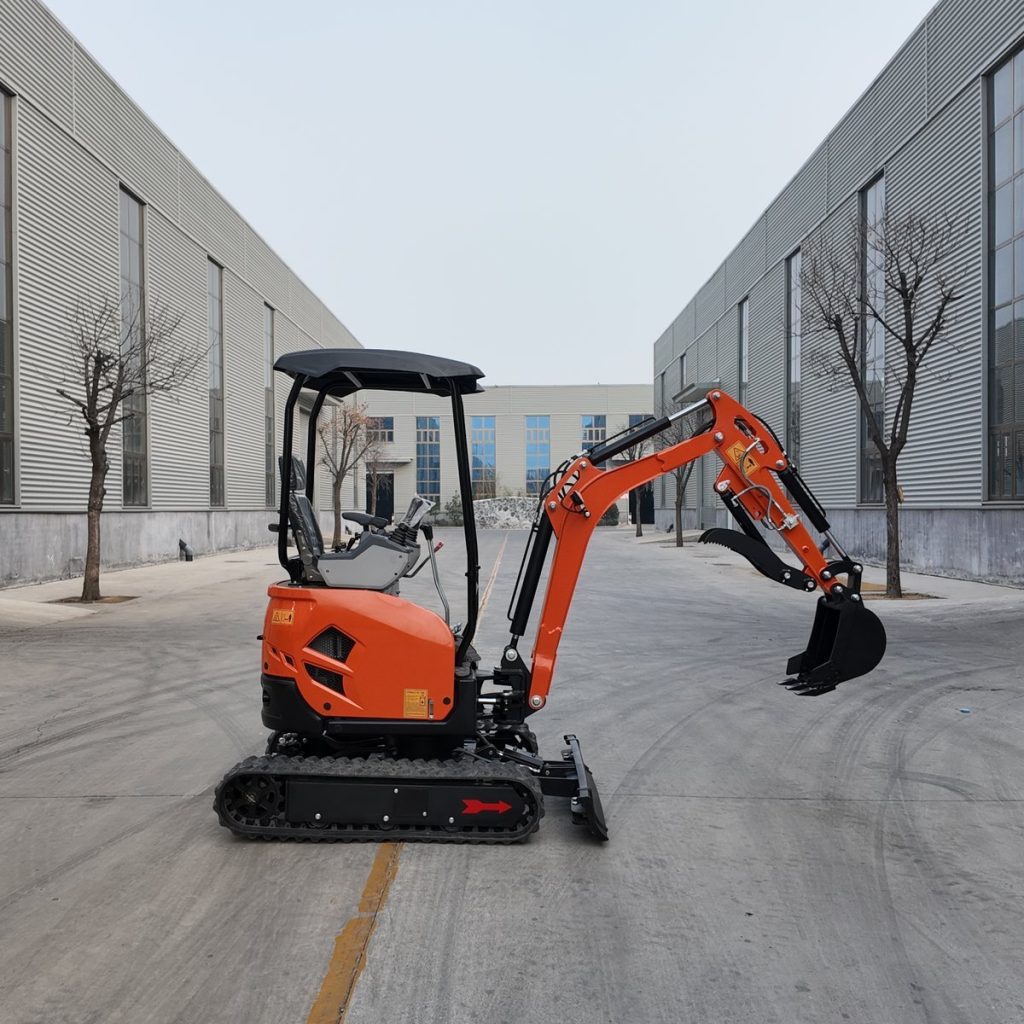
| Garden, irrigation, tight-access residential | Micro (<1T) | Access through gates; minimal lawn damage |
| Landscaping and general residential | Mini (1–2T) | Towable, versatile, rental-proven |
| Utility trenching, small foundations | Compact (2–3.5T) | Depth and breakout force for production work |
| Roadwork, deeper utilities, light demolition | Mid-size (3.5–5T) | Reach, stability, hydraulic capacity |
| Commercial and infrastructure | Large mini (5–8T) | Capacity approaching full-size, still compact footprint |
Ground pressure deserves a mention for surface-sensitive work: a heavier machine on wider tracks can exert lower ground pressure than a lighter machine on narrow tracks. If you work on finished lawns, paving, or soft ground, ask for the ground-pressure figure rather than assuming lighter is gentler.
Which Size Offers the Best Value?
Value depends on what each class is being asked to do, and the honest answer differs by buyer:
- Under 1T — you are paying for access, not capacity. Best value when gates, doorways, and finished surfaces are the constraint.
- 1–2T — the balance point of transport, versatility, and price; typically the strongest value for rental and residential buyers.
- 2–3.5T — best value for contractors doing production trenching daily, where cycle speed and breakout force earn their premium.
- 3.5–5T — justified when routine dig depth exceeds what compact machines reach; paying for reach you use weekly, not occasionally.
- 5–8T — value case rests on commercial workload; at intermittent utilization the capital is better placed in a smaller class.
Once the size class is settled, price becomes a within-class comparison — engine, hydraulics, cab, and certification. Our China mini excavator price guide breaks down current FOB ranges and cost drivers for every class above.
Where Hongli Models Sit on the Chart
For readers cross-referencing this chart against our range: the HL08 and HL10 sit in the micro class, the HL12 and HL18 cover the mini class that dominates rental and residential work, the HL20 through HL35 span the compact and mid-size classes, and the HL65 represents the large mini class. Exact operating weight, dig depth, and width vary by configuration — cab type, track type, and boom option all move the numbers — so request the specification sheet for the configuration you intend to order.
For how size interacts with price, our China mini excavator price guide breaks down FOB ranges for each of these classes, and our guide to mini excavator engine brands covers which engines typically pair with which size class.
Not sure which size fits your work? Send us your deepest routine dig requirement, site access constraints, transport situation, destination country, and any engine preference — we can recommend a size class and configuration without any purchase commitment. Destination country matters more than most buyers expect: it determines emission requirements, available configurations, freight, and final pricing. hongli@hongli-mach.com or WhatsApp +86 13181780976.
Frequently Asked Questions
What sizes do mini excavators come in?
Mini excavators range from micro machines under 1 ton to large compact machines around 8 tons. The most common classes are micro (under 1T), mini (1–2T), compact (2–3.5T), mid-size (3.5–5T), and large mini (5–8T). The 1–2 ton class is one of the most common size ranges for residential and rental use because it balances capability with towable transport.
What size mini excavator do I need for trenching?
It depends on trench depth. Residential utility trenches to about 1.8 m are within reach of 1–2 ton machines; frost-depth and sewer work to about 2.7 m generally calls for a 2–3.5 ton machine; deeper mains and footings need mid-size machines. Specify 20–30% more maximum dig depth than your deepest routine trench for reasonable productivity.
How wide is a mini excavator?
Micro machines run roughly 0.7–1.0 m wide — narrow enough for garden gates, with some models offering retractable undercarriages that temporarily narrow further. Mini class machines run roughly 0.9–1.4 m, compact class 1.4–1.7 m, and larger classes up to about 2.3 m. Confirm the exact width of the specific configuration, since track options change it.
Can I tow a mini excavator with a pickup truck?
Machines under about 2 tons can typically be towed on an equipment trailer behind a properly rated pickup, which is a major reason the 1–2 ton class is so common in rental fleets. Always verify your vehicle’s rated towing capacity against the combined weight of machine, trailer, and attachments, and check licensing thresholds in your jurisdiction for heavier combinations.
Is a bigger mini excavator always better?
No. Larger machines dig deeper and lift more, but cost more to buy and transport, may not fit constrained sites, and can damage surfaces that lighter machines traverse safely. The right size is the smallest class that completes your deepest routine work with margin — not the largest machine the budget allows.
Conclusion
Reading a mini excavator size chart correctly comes down to three questions in order: how deep must you routinely dig (with 20–30% margin), where must the machine physically fit, and what can you actually transport. Answer those three and the size class usually selects itself — price and configuration decisions then happen within the class rather than across classes.
Buyers who size the machine to the work end up with machines that earn their keep. Buyers who size the machine to the budget alone often end up owning the wrong machine twice.
About the Author
Avicii Meng is Head of Technical Engineering at Tai’an Hongli Machinery Equipment Co., Ltd., where he works on export-oriented excavator configurations, engine compliance requirements, and OEM manufacturing projects for international markets. Hongli manufactures mini and compact excavators, skid steer loaders, forklifts, and backhoe loaders for export to global markets. Contact: hongli@hongli-mach.com | hongli-mach.com