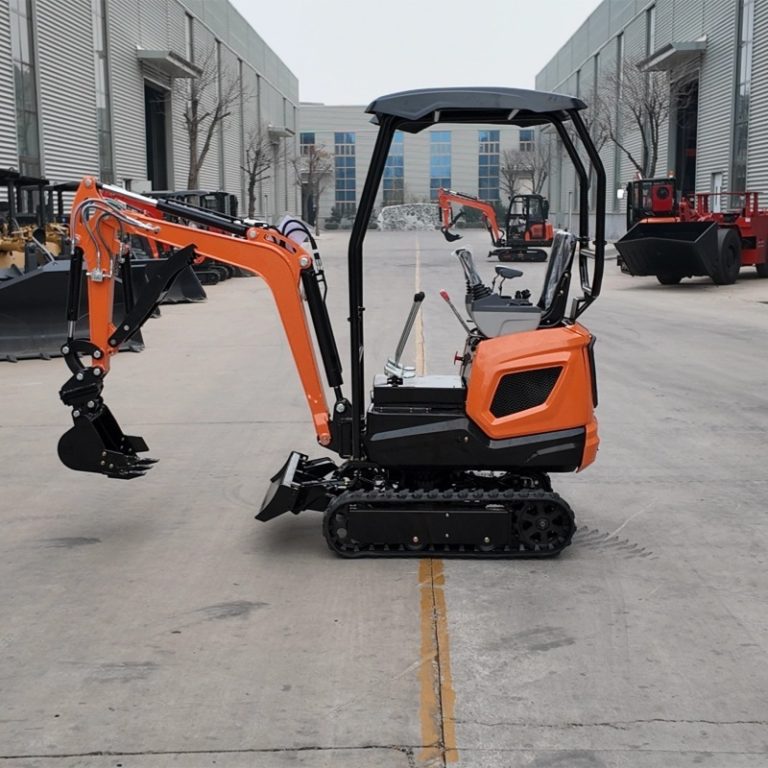
The asking price is only the starting point. Compare what it takes to get each machine ready for your first job.
A used mini excavator may look cheaper—until you add the work needed before its first job. But buying new does not automatically mean a better deal.
Choose used when an inspection establishes manageable repair needs, the machine fits your work, and local support is available. Choose new when the confirmed configuration and support package meet your needs better than the used alternatives, at a total cost you can accommodate.
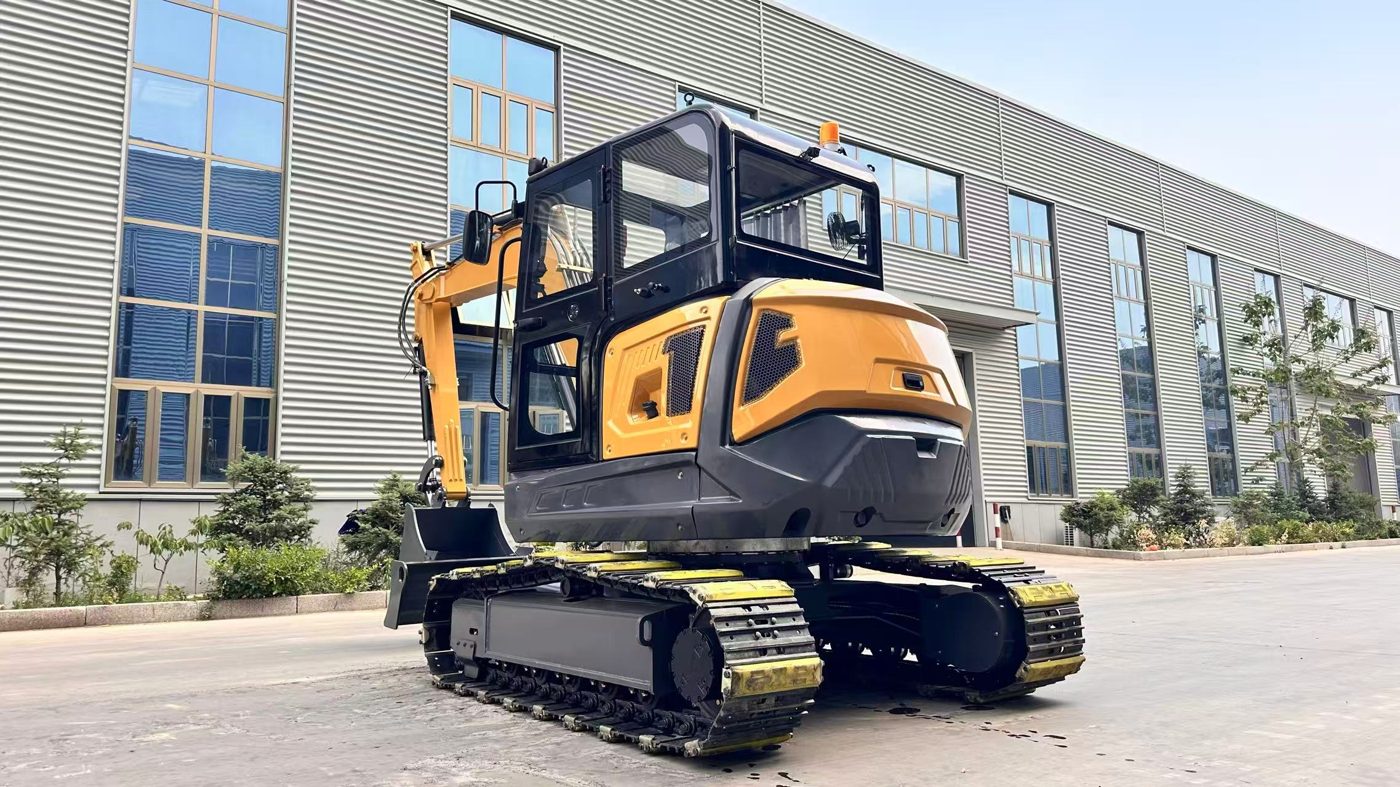
Consider two hypothetical machines with the same asking price. Both fit the job. The used machine includes the right bucket but needs replacement tracks. The new machine needs a suitable bucket added to its order. Delivery costs are still to be confirmed for both. Which is the better buy? Follow that comparison below: the missing items, rather than the age labels, decide the result.
If you need a new-machine alternative to compare, send Hongli your job requirements. Start with the task, then compare the complete offers.
First, Make Sure Both Machines Can Do the Job
A used machine that is too wide for your access route is not a bargain. A new machine that cannot reach the required excavation profile is not an upgrade.
Write down the physical limits before looking at age or brand: the narrowest access point, required excavation depth and reach, available operating space, ground conditions, and the attachments the work needs. Confirm transport arrangements against the actual machine and equipment package.
Compare these requirements with the specification of each candidate. A model name is not enough: boom and arm options, track configuration, bucket and coupler can change what you receive. Our mini excavator size guide helps establish the appropriate size range.
Be particularly careful when the same budget offers a smaller new machine and a larger used one. If the task requires the larger machine’s working envelope, buying the smaller unit does not solve that requirement simply because it is new. Equally, buying extra size can introduce access and transport problems that your project did not previously have.
The Comparison Buyers Miss: Condition and Support Are Separate
“New versus used” combines two questions that deserve separate answers:
- What condition is this particular machine in?
- Who will help identify and resolve a problem after purchase?
A used excavator with a documented inspection and accessible local service may be a practical purchase. For our example, a local workshop able to quote and schedule the track replacement turns a known defect into work you can plan.
Do not let the engine badge answer the second question for you. An engine dealer may be able to supply an engine component without supporting the excavator’s hydraulic system, controls or machine-specific installation. Ask the proposed service provider what they can actually work on.
For both candidates, identify the contact for diagnosis, the source of model-specific parts, and who arranges repair labor. “Parts are available” is less useful than knowing who can identify, supply and fit the part you need.
A new machine avoids a previous owner’s wear history, but its service arrangements still need to work at your location. Condition and support each deserve a separate answer.
Do not use country of origin as a shortcut for condition or support. A used Japanese machine needs its own condition assessment; an established brand does not tell you how that unit was maintained. A new Chinese machine needs a confirmed specification and a practical parts and service route. Compare the actual local workshop, seller commitments and complete quotation for each candidate, rather than assuming the badge settles the decision.
Compare the Cost of Getting Ready to Work
Build a short comparison using written quotations wherever possible. Start with the purchase price, then add the items needed to put each machine into the condition and configuration your work requires.
These may include delivery and unloading, applicable transaction or import costs, an independent inspection, agreed commissioning, essential attachments, and work already identified as necessary. Use the same destination and scope for both options. A factory quotation and a delivered local price are not directly comparable until their inclusions are aligned.
Keep known expenditure separate from a contingency reserve. A written quotation to replace worn tracks is an identified cost. Money held back for an uncertain future repair is a reserve, not a repair that has already happened. Counting both as the same expense can distort the comparison.
Return to the two machines with equal asking prices. Obtain the fitted track-replacement quotation for the used machine and the correct bucket quotation for the new one. Add delivery and any other applicable preparation costs to each. Then check the timing: can the tracks be fitted, or the bucket supplied, before your first job? A lower complete cost is useful only if the package also meets your working requirements.
Here is the starting position in this hypothetical comparison—not a quotation or a record of two actual machines:
| Item to compare | New candidate | Used candidate |
|---|---|---|
| Asking price | Same starting price | Same starting price |
| Required bucket | Add to the order and cost | Included; verify condition |
| Tracks | New; include in handover checks | Replacement needed; obtain a fitted quotation |
| Delivery | Cost and timing unconfirmed | Cost and timing unconfirmed |
| Condition checks | Confirm pre-delivery and arrival checks | Arrange an independent condition assessment |
| Ready-to-work date | Confirm with the complete equipment package | Confirm after inspection and required repairs |
Pre-delivery checks and a used-machine inspection have different scopes. Neither label alone establishes the quality of the assessment: ask what was checked on the specific unit and retain the findings.
Also distinguish a missing quotation from a zero cost. If nobody has assessed a suspected hydraulic problem, entering zero in the repair column does not make the uncertainty disappear. Obtain an assessment or treat the candidate as not yet ready for a purchase decision.
For a business, consider what you would do if the machine became unavailable during a job. Check actual local options for substitute equipment or rescheduling. There is no universal downtime figure that applies equally to a homeowner, a small contractor and a fleet with spare machines.
What a Used Mini Excavator Needs to Prove
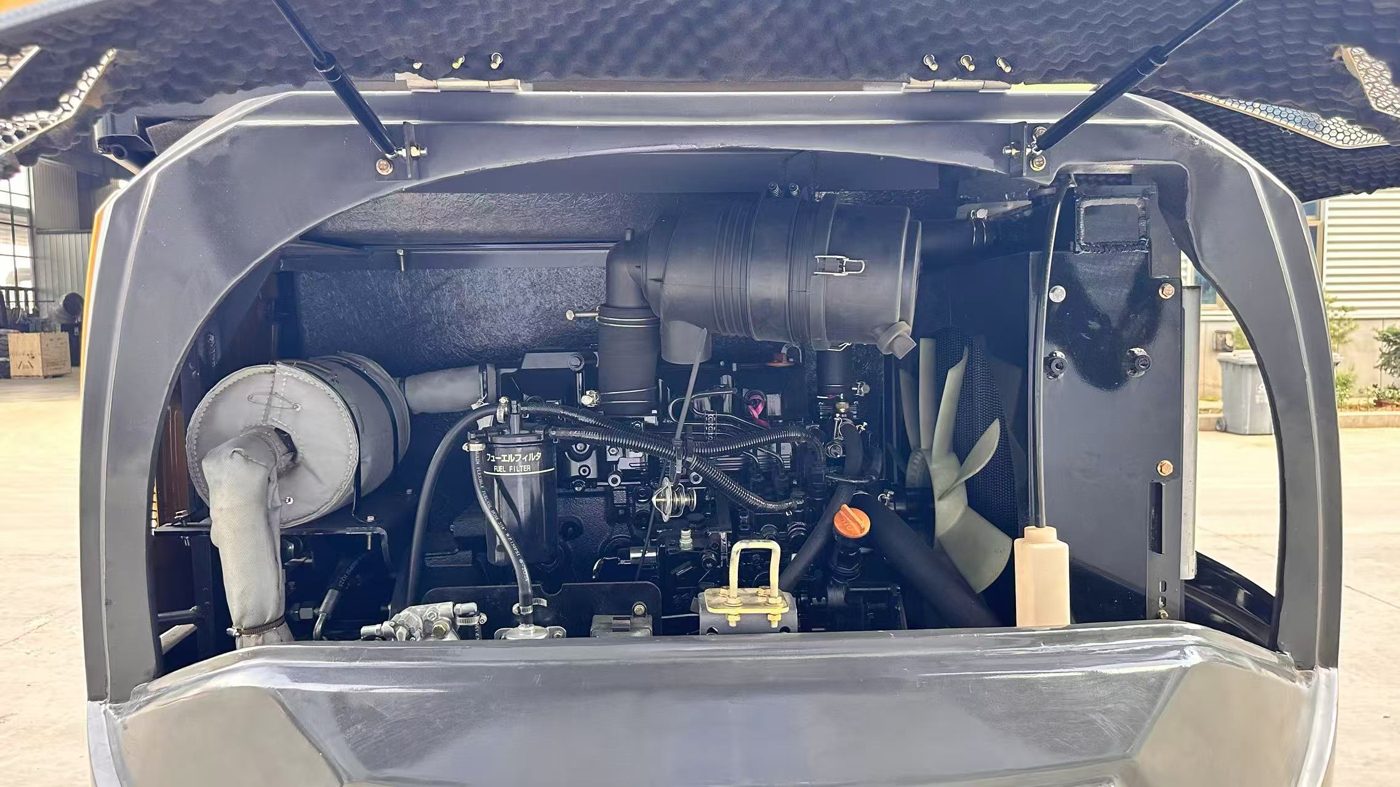
Identity and History
Match the machine identification to the sale documents and service records. Check what attachments and modifications are included, and whether the seller can explain major component replacements. For ownership and transaction checks, use the appropriate process in the purchase jurisdiction.
Treat the hour meter as one piece of evidence. It does not describe the loads handled, operating environment, maintenance quality or the condition of every component. If a meter or engine was replaced, ask what records explain the change. A replacement engine does not renew the undercarriage, hydraulic pumps, slew system or structure.
An Assessment That Leads to a Repair Scope
Arrange a competent inspection rather than relying on photographs alone. Ask the inspector to assess the undercarriage, attachment and linkage wear, cylinders and hoses, structure, controls and operating functions using appropriate procedures and manufacturer information.
The result should distinguish normal wear, items requiring attention, and findings that need further diagnosis. Ask for estimated repair scope, parts availability and any restrictions before use. A description such as “runs well” is not a substitute for those findings.
Have a qualified person investigate unexplained leakage, movement or repairs and perform functional checks in suitable conditions.
In our example, worn tracks alone need not rule out the used machine. An inspection that identifies a defined replacement scope is far more useful than a vague assurance that the machine is in “good condition.”
What a New Mini Excavator Still Needs to Prove
New equipment needs a defined specification and a clear handover process. Confirm the exact model and configuration, engine identification, included bucket and coupler, auxiliary hydraulic arrangements, and the documentation applicable to the destination and supplied unit.
If a particular attachment is essential, confirm the complete interface. A compatible-looking coupler does not establish that the machine has the required hydraulic flow, pressure, return arrangement or controls. Our attachment guide explains the questions to resolve before ordering.
Ask what will be checked before dispatch and what remains to be done after arrival. The pre-delivery inspection guide covers that handover stage.
Read the written warranty terms for the actual offer. Clarify the covered components, exclusions, claim procedure and duration, together with responsibility for diagnosis, labor, travel and parts freight. A parts warranty and a repair service at your site are different commitments. Do not assume that either is included without written confirmation.
For our new-machine candidate, the added bucket should appear in the order specification and delivery schedule. Confirm actual availability and the expected ready-to-work date, rather than assuming a catalogue listing means stock is ready.
When Buying Used Is the Better Decision
A used machine earns its place when the inspection, repair quotation and local support give you a workable purchase. In our example, if replacing the tracks still leaves the used package at a lower complete cost, the rest of the assessment is satisfactory, and it can be ready on time, buying used can be the stronger decision.
It can also give you access to required capability that your budget will not cover in a new machine. Keep the same task-fit checks: extra size is valuable only when your work needs it and your site can accommodate it.
Hongli sells new equipment, but a suitable, inspected used machine should remain on your shortlist when its costs and support better fit your circumstances.
When Buying New Is Justified—and When to Wait
Buying new is justified when the complete offer gives you something useful that the used candidate cannot: the required attachment configuration, a workable handover schedule, or clearer support responsibilities at an acceptable cost.
In our example, suppose inspection reveals an unresolved hydraulic issue on the used machine. The track quotation no longer captures its preparation needs. If the new package, including the correct bucket and delivery, meets your budget and schedule with agreed support, it may now be the more practical choice. That is a decision based on the offers, not a claim that all used machines are unreliable.
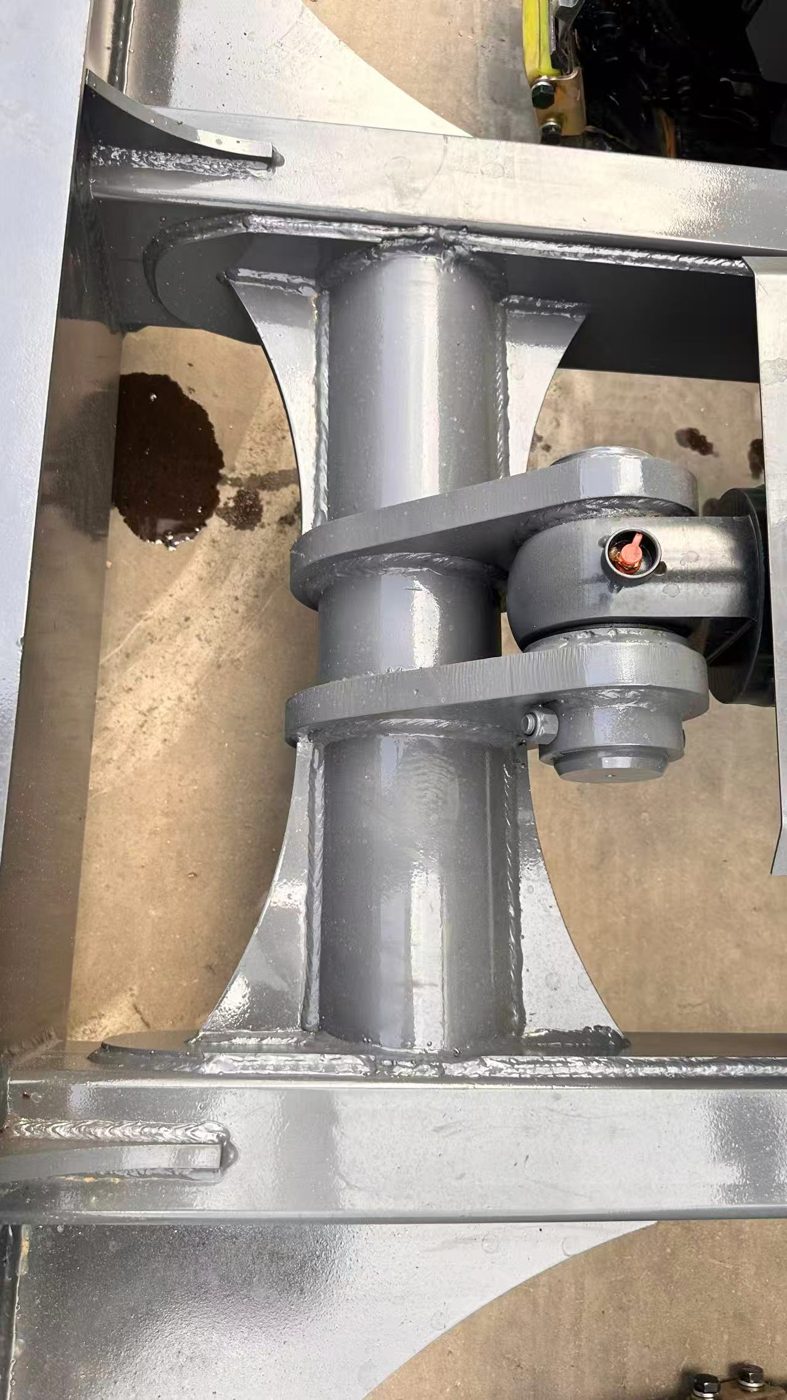
Wait if neither candidate meets the task, if essential evidence is missing, or if the purchase leaves no realistic funding for delivery and required preparation. The pressure to buy within a budget should not turn an incomplete comparison into an apparent bargain.
Whichever route you choose, plan the maintenance required by the supplied machine’s manual. Our maintenance guide helps organize the questions to ask at handover; it does not replace the model-specific schedule.
Frequently Asked Questions
Is a used mini excavator always cheaper than a new one?
No. Price depends on the particular machines and sale packages. A larger or differently equipped used model can cost more than a smaller new machine. Compare candidates that meet the same job requirements and include the necessary preparation and delivery costs.
How many hours are too many on a used mini excavator?
An hour reading alone cannot establish that. Review the service history, operating condition and component assessment. Ask what work is needed and whether it is economically practical rather than relying on a universal hour cutoff.
Does a replacement engine make a used excavator almost new?
No. It changes one part of the machine’s history. Confirm the replacement details and installation, then assess the remaining systems separately. Engine paperwork cannot establish the condition of tracks, pins, pumps or structure.
Is a new Chinese mini excavator better than a used Japanese machine?
There is no automatic winner. Compare the actual machines, their task fit, verified condition, complete purchase scope and local support. Country of manufacture does not answer those questions for an individual offer.
Should I choose the machine with the longer warranty?
Warranty duration is only part of the decision. Compare coverage, exclusions and responsibility for labor, diagnosis and transport. A longer stated period does not necessarily provide the support you need at your location.
What information should I send when comparing a new alternative?
Send your destination, intended work, access and excavation requirements, expected annual use, attachments and quantity. If comparing against a used machine, include its exact model and available specification. A new-machine quotation can establish an alternative; the used unit still needs its own condition assessment.
Get a Configuration You Can Compare
Tell Tai’an Hongli Machinery Equipment Co., Ltd. what the machine must do before requesting the lowest price. Include the destination country, access width, required working depth, attachment needs, expected annual hours and expected quantity.
We can discuss a new Hongli configuration against those requirements. Bring the same questions to the used-machine seller, then compare the evidence and complete purchase scope. Request a configuration-based quotation.
About the Author
Avicii Meng is Head of Technical Engineering at Hongli Machinery. This article focuses on the configuration, documentation and support questions buyers should resolve when comparing compact equipment offers.