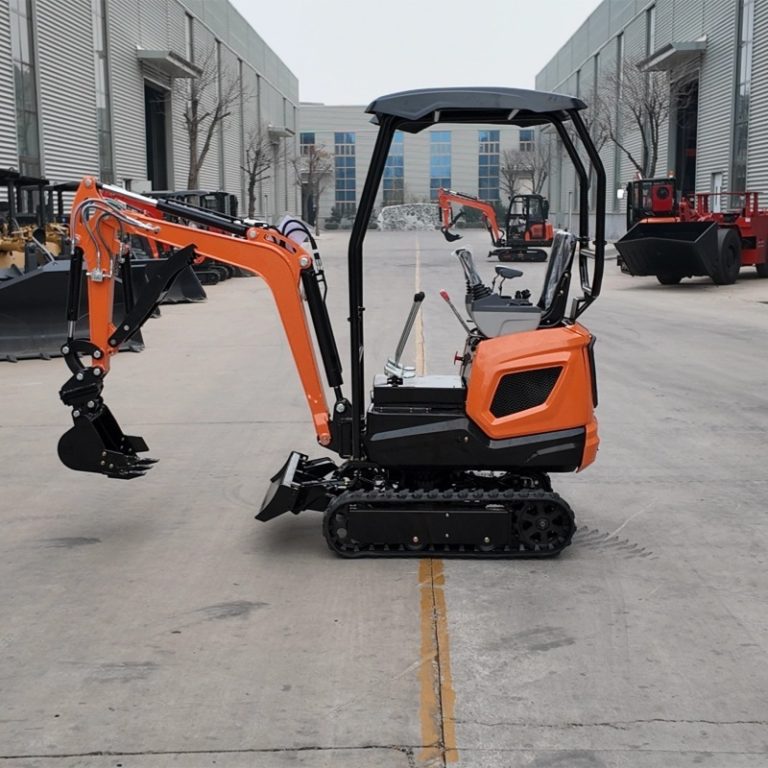
Plan by the machine’s manual, operating hours, applicable calendar limits and working conditions—not the hour meter alone.
Your mini excavator has barely worked this season. The hour meter looks reassuring. Does that mean the next service can wait?
Only if the maintenance instructions for that machine say so. A mini excavator maintenance schedule can contain daily checks, recurring hour-based tasks, calendar-based requirements and separate initial-service instructions. Those requirements do not all reset when you change the engine oil.
For an owner, the useful question is not simply “When is the next oil change?” It is “Which task is due next, what triggers it, and do I have the correct supplies and instructions?”
Planning a purchase? Send Tai’an Hongli Machinery Equipment Co., Ltd. your proposed model, destination, expected annual hours, attachments, storage conditions and expected quantity. Ask for the applicable maintenance documents and service-parts identification before choosing a configuration.
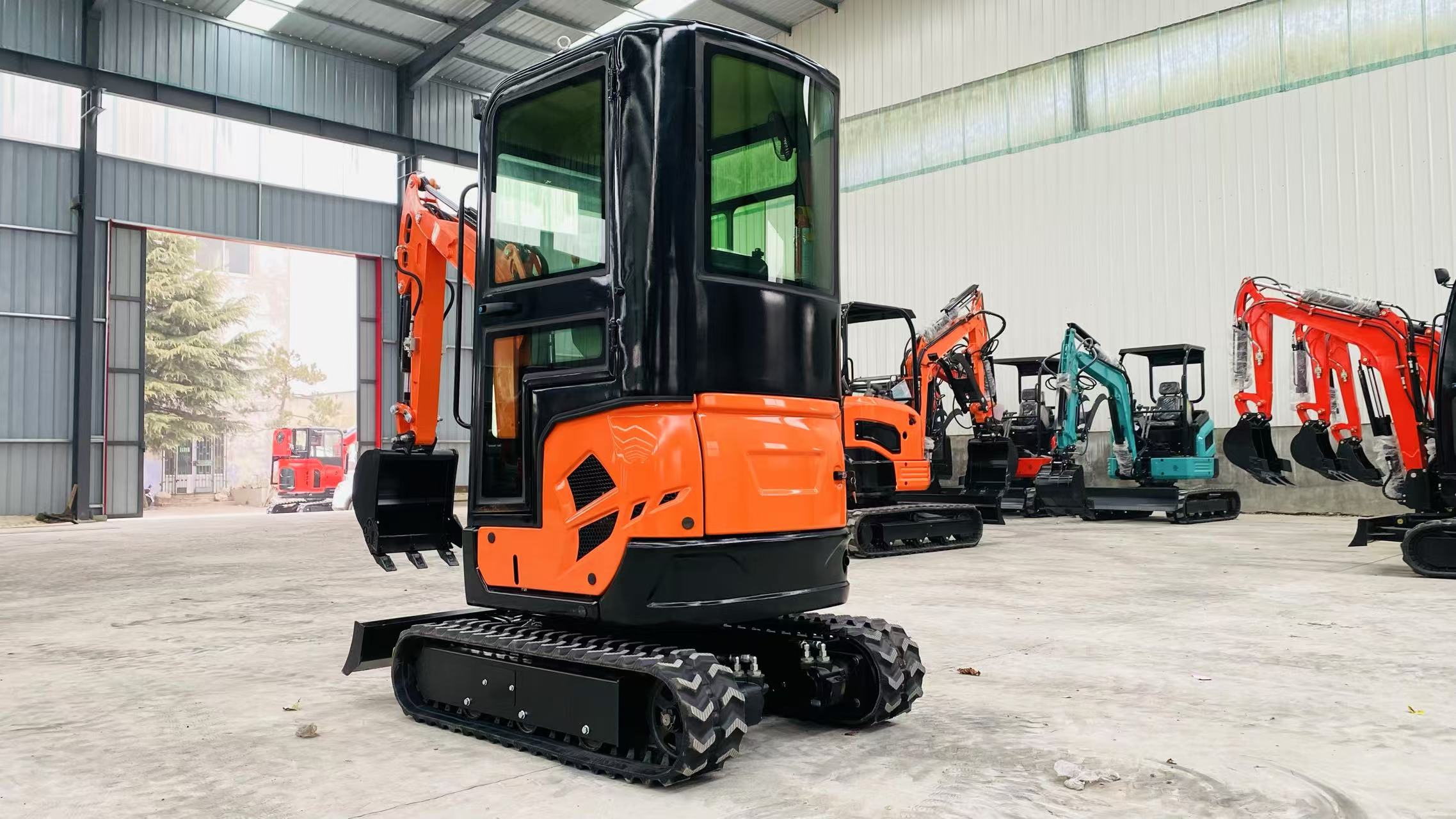
One Machine Has Several Maintenance Clocks
An hour meter records the machine’s indicated accumulated hours. It does not, by itself, tell you when a hose was inspected, which oil specification was used, or whether a calendar-based task is overdue.
Start by separating four kinds of instruction.
Routine inspections look for a condition that needs attention before further operation. A fluid-level check and a scheduled fluid change are different jobs. Finishing one does not complete the other.
Recurring service intervals specify work at stated operating-hour intervals. Keep the individual tasks visible: engine oil, fuel filtration, hydraulic filtration, drive components and lubrication points can have different requirements.
Calendar limits, where the manufacturer specifies them, matter even if annual use is low. If a task is stated as an operating-hour interval or a time period, whichever occurs first, follow that wording. Do not invent a calendar limit for every component—or ignore one that is actually listed.
Initial-service instructions apply to a new machine or a particular newly installed component. Record them separately. Do not assume the first service follows the same interval as later routine servicing.
This is why one reminder labelled “service at next oil change” is too vague. It merges tasks that may have different triggers, procedures and parts.
A Simple Example: Two Owners, the Same Hour Reading
Consider two hypothetical owners whose machines both show 180 hours. One reached that reading in a short working season. The other accumulated it slowly across several years.
The matching readings do not prove matching service needs. Compare the applicable calendar requirements, previous service dates, storage history and actual conditions. The second owner should not conclude that everything can wait simply because the next recurring hour threshold has not arrived.
There is another trap: replacing one item does not reset unrelated tasks. An engine-oil change does not restart the maintenance clock for a final drive, coolant, hydraulic filter or attachment.
Build the record around each task, not a single “last serviced” date. That distinction is more useful than a universal maintenance chart copied from another excavator.
Build the Schedule from the Actual Machine
Begin with the machine identification, engine identification, fitted attachments and the correct operation and maintenance documents. A model name alone may not identify every service item across different builds.
Bobcat’s service-schedule resource organises maintenance information by equipment and model, and directs owners to the operation and maintenance manual for procedures. The relevant lesson for a Hongli buyer is to request the documents that match the delivered configuration; Bobcat intervals are not Hongli intervals.
For a proposed HL18 mini excavator or HL26U mini excavator, ask which machine and engine documents apply to the quoted build. Neither model’s name establishes a universal oil grade, filter number or change interval.
Use the machine manual as the starting point and reconcile it with engine and attachment instructions. If they appear to conflict, ask the supplier to identify the applicable requirement in writing. Do not choose the longest interval because it is cheaper.
The table below is a planning worksheet, not a substitute service schedule.
| Maintenance area | Information to extract from the applicable instructions | What to record |
|---|---|---|
| Routine checks | Required checks, frequency and safe checking conditions | Date, meter reading, findings and action taken |
| Initial service | Tasks required after delivery or component installation | Starting reference, task and completion evidence |
| Engine oil and filtration | Approved specification, capacity, interval and filter identification | Fluid specification, quantity used, part number, date and hours |
| Fuel and air systems | Inspection, draining, cleaning or replacement instructions | Task performed, condition and replacement identification |
| Hydraulic system | Fluid and filter requirements, checking procedure and attachment-related instructions | Fluid/filter identification, service details and relevant findings |
| Final drives and lubrication points | Separate lubricant requirements, intervals and lubrication locations | Component serviced, material used, date and hours |
| Undercarriage | Inspection, cleaning and model-specific adjustment requirements | Damage, wear, debris and any authorised adjustment |
| Calendar and storage tasks | Applicable time limits, storage preparation and return-to-service instructions | Due date, storage period and completed checks |
Daily Checks Are Not Permission to Keep Running
A checklist only works if a finding changes what happens next. “Checked hoses” is incomplete when the inspection also finds visible damage.
Caterpillar’s mini excavator maintenance guidance identifies areas such as attachments, hydraulic components, tracks, undercarriage and cooling components for inspection, with the model’s manual governing the work. Use the corresponding Hongli instructions to decide the actual checks and response for your machine.
Record an observation plainly: where it is, what changed, when it appeared and whether operation was stopped. A photograph can help explain a visible issue, but it does not measure pressure, establish an acceptable leak rate or diagnose the cause.
Do not turn a blog checklist into a repair procedure. Follow the manual’s parking, isolation and access instructions. Suspected pressurised leaks, damaged hydraulic components or abnormal machine behaviour require appropriate qualified attention; checking by hand or continuing to work until the scheduled service is not an acceptable shortcut.
A Breaker Adds Its Own Maintenance Requirements
The attachment is part of the maintenance plan. Its own lubrication, wear inspections and operating requirements remain relevant even when the carrier has recently been serviced.
Before ordering a breaker, ask whether the machine instructions specify different hydraulic maintenance requirements for that application. Have the supplier identify the applicable schedule and any conditions attached to it. Do not apply an arbitrary “halve every interval” rule, and do not assume the ordinary digging schedule automatically covers sustained breaker work.
Keep attachment identity and usage notes alongside the machine record. A technician trying to understand a recurring issue needs more context than “the oil was changed recently.”
Our mini excavator attachments guide covers selecting suitable equipment. Maintenance planning comes after that compatibility decision; frequent servicing cannot make an incompatible attachment suitable.
Buy Service Parts by Identity, Not Appearance
A filter that screws into place is not automatically the correct filter. A replacement needs the appropriate application and technical specification, not just matching external dimensions.
Ask for the part reference linked to the actual build, and confirm any proposed substitute through a competent parts source. Keep the supplier’s identification and the installed part number in the record. This matters when a machine can be supplied with different engine or component configurations.
Fluid selection deserves the same care. “Hydraulic oil” is a category, not a complete purchase specification. Obtain the required specification and relevant temperature guidance from the applicable documents. Do not choose solely by the colour of the existing fluid or copy a viscosity recommendation from a different machine.
Avoid buying years of unidentified consumables just because freight is convenient. A smaller, correctly identified service kit with documented contents is more useful than a large box of uncertain replacements.
For owners planning their first purchase, the engine buying checklist explains the earlier serviceability decision. This article addresses what happens after the configuration has been chosen: turning that information into a workable maintenance record.
Low Annual Use Changes the Plan, Not the Need for One
An occasional-use owner needs a schedule that remains understandable between jobs. Put applicable calendar due dates somewhere visible, retain service receipts and identify the instructions for storage and return to operation.
Before restarting after a long idle period, follow the specified return-to-service checks. Do not assume the last shutdown condition is unchanged, or that starting successfully proves the machine is ready for work.
An owner working many hours needs a different organisational approach: forecast upcoming tasks from expected usage and arrange parts, technician availability and downtime before the due point. Keep the actual completion reading; a booking confirmation is not a completed service.
Both owners benefit from the same discipline: record dates and hours together, and distinguish an observation, a planned action and a completed task.
When a Cheap Excavator Is the Wrong Purchase
Do not buy a machine simply because its purchase price leaves money for “maintenance later.” First establish whether you can obtain the correct instructions, identified consumables and competent local support.
If your work cannot tolerate an uncertain repair lead time, a nearby supported machine or rental may be a better choice than importing a lower-priced excavator. That can remain true even if the imported machine is mechanically suitable.
Likewise, if you cannot provide the storage, inspections or service attention the machine requires, low annual hours do not automatically make ownership economical. Compare the whole ownership arrangement with renting for the jobs you actually have.
Hongli should be evaluated against these requirements too. Ask what documentation, parts identification and support can be provided for the proposed configuration, rather than treating the brand name as a maintenance plan.
Keep a Record the Next Technician Can Use
A useful service entry connects the machine, task, date, hour reading, materials and findings. Include who did the work and any unresolved item. For a replaced component, retain the relevant identification and supporting invoice or photograph.
Write “engine oil and filter replaced” rather than “full service” unless you also list everything included. Record a hydraulic-filter replacement separately from a hydraulic-fluid change. A broad label can conceal a missed task when another person takes over the machine.
At delivery, establish the starting record and obtain the applicable documents. Our pre-delivery inspection guide covers checking that the machine matches the order. Keep that handover evidence, then continue with maintenance records during ownership.
You can use a notebook, spreadsheet or fleet system. The format matters less than being able to answer: what was due, what was done, what remains open, and what is due next?
Frequently Asked Questions
How often should a mini excavator be serviced?
Use the schedule for the actual machine, engine and attachments. Separate routine checks, initial service, recurring hour intervals and applicable calendar requirements. There is no single hour interval that completes every maintenance task on every mini excavator.
Does a mini excavator need maintenance if it has very low hours?
Yes. Low hours do not remove routine inspections, specified calendar requirements or storage instructions. Check the manual before deciding a task can wait; do not invent a universal annual replacement rule either.
Does changing engine oil reset the whole service schedule?
No. Record exactly what was completed. Other tasks retain their own requirements and service history, including hydraulic filtration, final drives, lubrication points and attachments.
Can I use another brand’s maintenance schedule?
It can illustrate how a schedule is organised, but it does not establish the requirements for your excavator. Obtain the applicable documents and clarify any apparent disagreement before relying on an interval or fluid specification.
Should breaker work change my maintenance plan?
Check both the carrier and breaker instructions for application-specific requirements. Confirm any different hydraulic service requirements for that use. Do not invent a universal interval reduction or overlook the attachment’s own service tasks.
What should I request before buying service filters and oil?
Provide machine and engine identification, the relevant build or serial reference, and the task being planned. Request confirmed filter references and fluid specifications. Keep the supplied identification with the service record so later replacements can be checked.
Plan the First Service Before the First Job
Send Hongli your proposed model, destination, annual operating hours, expected attachments, storage conditions, available local service support and expected quantity. Ask for the applicable maintenance documents, identified service items and any initial-service requirements for the quoted configuration.
Contact hongli@hongli-mach.com, WhatsApp +86 131 0548 1184, or use the Hongli enquiry form. A useful purchase decision includes how the machine will be maintained—not just what arrives in the container.
About the Author
Avicii Meng, Head of Technical Engineering | Hongli Machinery
Avicii Meng works with Tai’an Hongli Machinery Equipment Co., Ltd. on machinery configuration and technical purchasing information for export buyers.